

Blog / California Law

Get Expunged, Get Your Life Back

get expunged expungement record clearing

In the broadest sense of the word, justice is receiving the most deserving reward or punishment for a particular act or decision. This makes the term extremely fluid, as defining what someone “deserves” can mean many different things to many different people. In the case of criminal convictions, justice has been served under the law once a person has fulfilled their sentence for their crime. This doesn’t always equate to the reality of someone who has completed their required sentence, as their conviction can continue to haunt them for the rest of their life.

One way to fix this issue is through expungement, and King Law Firm Attorneys at Law, Inc. now has a comprehensive platform to assist in expunging your records and giving you a fresh start.

What is expungement?

According to get-expunged.com, expungement is the process of erasing, removing, or sealing a criminal conviction from one’s permanent State or Federal record. To get a record expunged, you must file in the state in which the conviction was levied, and all states have a different process for expungement. For example, in California, you must file a petition of dismissal to re-open your case, have the plea set aside, and the case dismissed.

Why should you get expunged?

Though an expungement will never erase your record completely, it does change the guilty plea to a dismissal, which means that, in the eyes of the law, you were not convicted of a crime. This will help to secure employment, obtain a professional license, or join a professional organization. In other words, it provides more freedom in your day-to-day life than it would if you continued to carry the baggage of conviction, regardless of having served your time.

Why get expunged through King Law Firm Attorneys at Law, Inc.?

King Law Firm Attorneys at Law, Inc. has set up an expedient way to get your criminal record expunged. It starts by going to our website, get-expunged.com, and getting a quick qualification and conflict check. Once those have been completed, you will fill out one simple online form and King Law Firm Attorneys at Law Inc. takes care of the rest. We have several different types of expungements we can work with, and we can answer all your burning questions and provide other information you may need to complete the expungement process.

We are also planning to setup expungement clinics for those who may want to handle the expungement themselves and are simply looking for a fast, easy way to have their questions answered and the paperwork completed properly.

Head over to get-expunged.com now to get the process started. And if you have any questions, please feel free to email us at recordclearing@get-expunged.com.

Posted in:

Related Posts

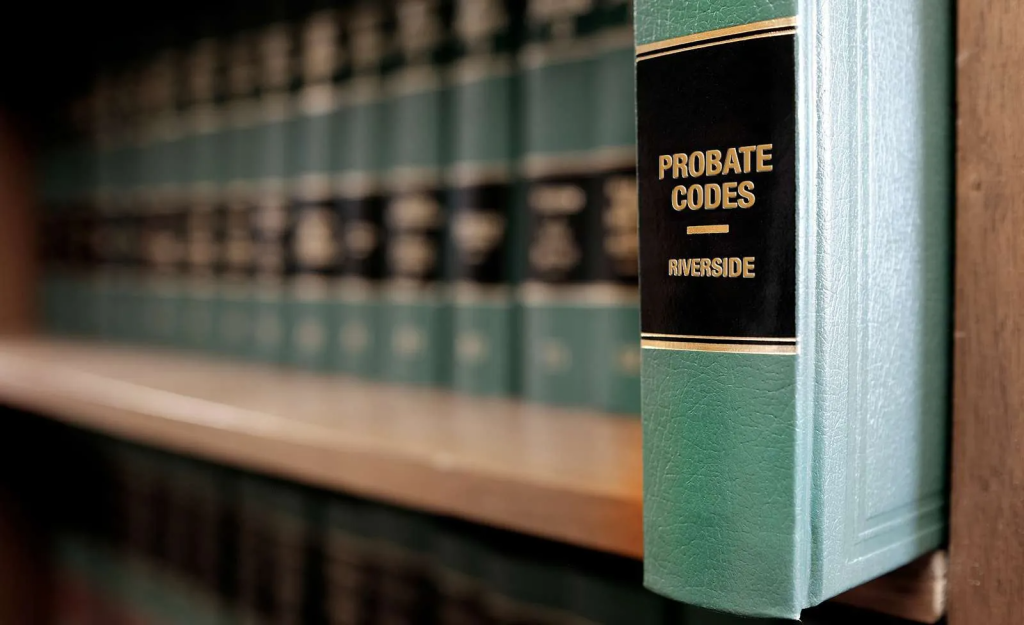
2025 Probate Code changes in Riverside County as represented by a row of law books with one pulled out hat says Probate Codes Riverside

2025 Riverside Probate Code Updates

When you hear the term probate, the first thing that comes to mind is the process of distribution of assets after someone’s death. However, the Riverside Probate Code covers much more than the administration of wills and trusts. From conservatorships and child support to foreclosures and health care, if you are unfamiliar with the ever-evolving changes, it could cost you more than just time or money. The Ever-Evolving Probate Code If you choose to handle probate issues on your own, be aware that since 2024, there have been several significant changes to the Riverside Superior Court Probate Code. These include rule updates for trust termination, child support, and debtor examinations, changes to procedures, forms and terminology, and an expansion in electronic filing will soon open the door to a more streamlined probate process. Let’s take a closer look at a few of the more essential updates to the probate code. ( This is not an exhaustive list; to stay fully informed and compliant, please do your own research or talk to a qualified probate attorney.) Form Changes SB 1106 extends the amount of time you have to notify parties of a move to 20 days prior and emphasizes electronic delivery as the court’s preference for all notices. Within AB 2016, a new Judicial Council form (JCC form) further clarifies the modification and scope of a new dollar limit for the administration of property succession. Foreclosure sale prices must now be at least 67% of fair market value, and sale delays have been enhanced. The Level of Care Declaration, which emphasizes patient privacy in medical information, has been replaced with the Confidential Care Plan form (GC 355). This form must be filed within 120 days of appointment and 10 days before your termination hearing. Non-compliance will result in a $500 penalty and/or removal from the case. Conservatorship Changes A shift to person-oriented language, such as using “a person with a mental health condition” instead of “mentally ill person,” allows for less stigmatizing terminology and emphasizes respect and dignity for those with mental health issues. To help protect an individual’s privacy and digital legacy, conservators can only access a digital asset catalog of a decedent’s assets, while an agent needs explicit power-of-attorney authorization ( SB 1458). And the process for initiating conservatorship proceedings for those experiencing a mental health crisis have also been significantly changed. Death Notice Changes To keep all involved parties informed, you must now include the deceased’s funeral, burial, and/or memorial location to the death notice. Child Support Protecting the financial resources of children with disabilities is the focus of AB 2397, which expands the court’s authority to place child support payments into a special needs trust. Court Orders and Closures The Temecula Superior Court has been closed (as of December 23, 2024) and relocated to the Southwest Justice Center. And finally, to provide efficiency and access to legal documentation, certified copies of court orders must now be completed within 3 days of the hearing date.

California probate - a 6 step process; a brown paper having been ripped to show a group of people going over paperwork with the word Probate across them.

Probate in California: A 6-Step Process

Grieving a loved one is painful. Unfortunately, the state doesn’t care—they still expect you to complete the daunting probate process within a year of your loved one’s death. But where to start? 1. File the Probate Petition The first step is to file a request to begin probate with the court. Fill out form DE-111, which includes nine main sections disclosing the petitioner and decedent’s information, who the heirs and beneficiaries are, and whether the decedent was survived by a spouse. Additional paperwork to attach to the petition include a certified copy of the death certificate and the original copy of the will, if possible. Check with your county registrar to see if you can e-file your petition or must file with the superior court in person. 2. Notify Heirs and Creditors It is the job of the executor (or representative if petitioning intestate) to inform all beneficiaries and creditors once the petition is filed. This is a crucial step; any missed notifications may delay the court’s approval. All notices to beneficiaries must include the date, time, and location of the hearing, as well as a receipt of delivery. If there is no will, the appointed representative must locate any beneficiaries or find out what happens to the decedent’s estate in the absence of heirs. The executor must then publish notice of the probate filing in a newspaper to make sure all interested parties are informed. A proof of publication must also be filed with the court. 3. Manage the Estate Collecting Assets The executor must document and collect all assets. A court-appointed “California Probate Referee” will also be assigned to value all assets appropriately. Paying Debts Any outstanding loans, funeral payments, utilities, and other liabilities must be paid. Some debts may be deferred or canceled, such as mortgage debts, Medicaid benefits, or student loans, while others may be protected from creditors or covered by insurance. Handling Taxes All applicable federal and state taxes (income and estate) must be paid. If the estate doesn’t have enough assets to pay for these debts, a declaration of insolvency must be made. Remember, if the estate isn’t managed correctly, or debts are mishandled, the executor may be held personally liable. 4. File Reports It is required, in conjunction with step three, to periodically submit reports detailing all activities and progress. 5. Final Distribution Once all assets have been collected, all debts and taxes paid, and all disputes resolved, it’s time to distribute the remaining assets. The executor will file a petition for final distribution to the court, which will include the final accounting report and proposed judgement of final distribution. Once approved, the executor will distribute the assets and submit receipts signed by the beneficiaries. 6. Closure Upon the conclusion of final distribution, the executor will file a petition for final discharge, releasing them of any personal liabilities related to the estate and closing the case. For assistance in completing your probate, check out our Probate Timeline Checklist and/or call for a consultation.

old woman and daughter touching hands through a pane of glass after isolation - anti-isolation restraining order reverse isolation

Prevent Reverse Isolation Abuse with an Anti-Isolation Restraining Order

When it comes to most restraining orders, laws vary in the way individuals are protected from harassment, stalking, sexual abuse, and other intimidating behaviors. However, there is one threat of potential harm that most states have overlooked—isolation. Reverse Isolation Leads to Abuse Affecting mostly elderly and dependent adults, isolation became prevalent in response to the COVID pandemic. To keep vulnerable individuals protected from acquiring a deadly infection, family members were denied access to their loved ones. The phenomenon of isolating healthy individuals from the public, also known as reverse isolation, or reverse RO, allowed caretakers to abuse their positions and keep elderly and dependent adults isolated based on a perceived threat, regardless of whether isolation was necessary. Those in a position of power could now control, exploit, or take advantage of these vulnerable adults and family members had no recourse against it. California Assembly Bill 1243 Is Signed into Law Because of the unique physical, mental, and emotional harm isolation may have on vulnerable adults, California Governor Gavin Newsome signed Assembly Bill 1243 into law. Taking effect on January 1, 2023, AB 1243 is an extension to the Elder Abuse and Dependent Adult Civil Protection Act. It grants someone with a personal relationship with an elderly or dependent adult the right to seek an anti-isolation restraining order to regain their ability to communicate with their loved ones. Why Is an Anti-Isolation Restraining Order important? The only individuals allowed to seek protective orders before the passage of AB 1243 were the elder or dependent adult or their conservator, trustee, or attorney-in-fact. Allowing for anyone to petition for an anti-isolation restraining order allows these vulnerable adults to maintain important and desirable familial connections and protects them from being abused or neglected. How to acquire an Anti-Isolation Restraining Order According to AB 1243, any interested party—defined as any person with a “personal, preexisting relationship with the elder”—may petition the court for an anti-isolation restraining order. Interested parties must provide evidence that: They have had significant contact (i.e time spent together and proof of a meaningful connection) with the elder prior to isolation; they have repeatedly been denied contact; the elder or dependent desires contact with them; and isolation has nothing to do with the elder’s desire to distance themselves from them. To begin the process, file the California Judicial Council Form EA-100 and/or the Request for Elder or Dependent Adult Restraining Order Allowing Contact (EA-300) with the court. A court date will be assigned within 25 days of the filing. If granted, the anti-isolation restraining order may last for up to five years and can be renewed if necessary. Anti-Isolation Restraining Order Exceptions Unfortunately, no one may seek an anti-isolation restraining order if the elder or dependent adult is currently in a residential or long-term care facility. Please speak with a qualified family law attorney at King Law Firm Attorneys at Law, Inc. if you feel your loved one is being isolated or abused. Check out our most recent episode of Gavels Down, Voices Up!