

Blog / Family Law

Why Guardianship Is Better Than Adoption

SmilingChild - King Law Firm Inc. Why Guardianship Is Better Than Adoption

As a society, we all wish to provide our children with a happy, safe, healthy life. That’s not to say there aren’t those who deliberately or inadvertently disrespect, ignore or otherwise harm their children. When that happens, though, there’s usually someone willing to care for the child in a responsible, loving manner. For the majority of those seeking to care for a child who is not biologically theirs, establishing a guardianship is usually the best option.

Guardianship is the granting of legal rights, which can be temporary, to someone who is not the biological parent of a minor and which allows the guardian to provide the financial, medical and nurturing responsibilities that come with caring for a child. This can be a relative, friend or a foster caregiver. Adoption is often confused for guardianship because it’s what most people understand, but when a child is adopted, the biological parents relinquish all rights to the child, locking themselves out of ever having any say in the child’s life, regardless of whether they become fit to provide adequate care for the child in the future.

There are many reasons why someone may seek guardianship of a child, including:

  1. The parents are deceased;
  2. The child lives in unsafe conditions due to drug, alcohol, mental or physical abuse;
  3. The biological parents are unable to feed or cloth their child, provide a stable income or adequate medical care, or abandon their child;
  4. The biological parent is in the military and must be deployed; or
  5. The parent is incarcerated.

One of the reasons that makes guardianship a better option in most cases is that guardianship is not permanent. Firstly, responsibility over the child ends when they turn eighteen. More importantly, unless the biological parents are deceased, guardianship allows for the possibility of reuniting the child with their biological parents. The rights of the parents are not relinquished in guardianship, which means if the court finds that one or both parents are fit to provide adequate care for the child, they may regain custody. Unless a court says otherwise, the parents can also retain a variety of rights, including that of visitation.

People may also acquire guardianship of the estate, which allows someone to gain control over the management and safeguarding of the child’s income, money and property until they become eighteen. Generally, the same person will receive both guardianships, though in some cases, this responsibility could be divided among different people. It’s always best to consult a lawyer if you’re to be the guardian of an estate, as complying with the relevant fiduciary duties is very important.

Providing the safest, healthiest environment for a child is a major undertaking, so make sure you’re prepared for the responsibility by seeking a custody arrangement that is in the best interests of both you, the child and in a lot of cases, the biological parent(s).

Posted in:

Related Posts

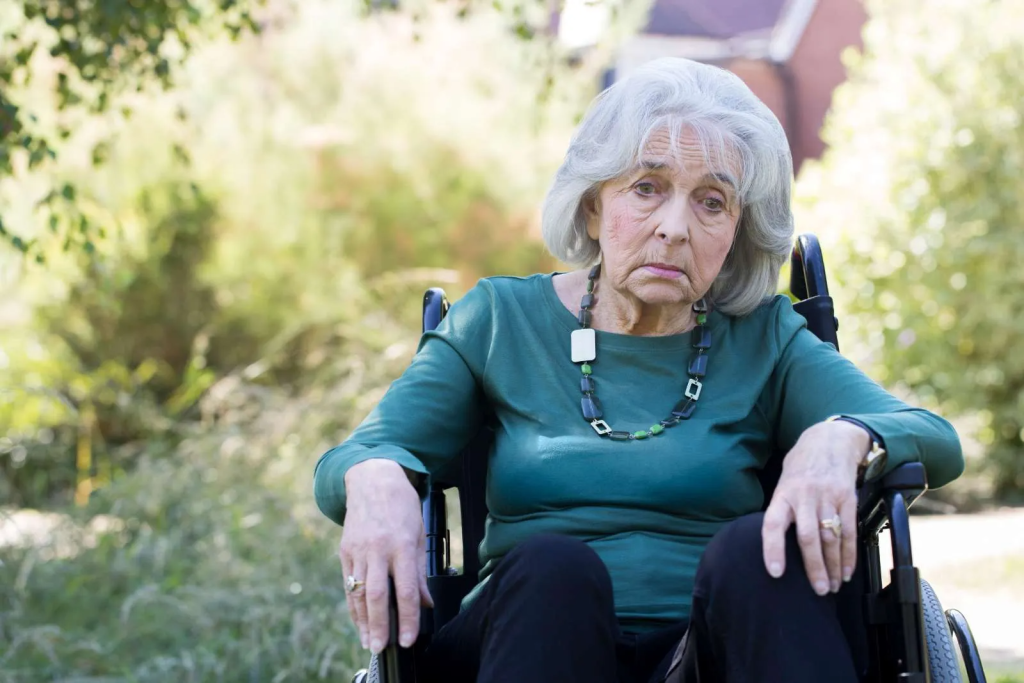
elderly senior woman sitting alone in wheelchair nursing home neglect

Nursing Home Neglect – What You Should Do If It Happens

Caring for an older adult, especially one with extensive care needs, can be time consuming and stressful. It’s why many people choose to place elderly parents or grandparents in nursing homes where they can be professionally cared for. But what happens when you find out the nursing home you’ve chosen begins to neglect your loved ones? What is nursing home neglect? Nursing home neglect is a form of elder abuse toward those living in a nursing home. When it happens, residents suffer due to poor care, ignorance, carelessness, or mistreatment. This can include failure to treat injuries or contact a doctor when needed; forgetting to regularly bath someone or change bed sheets; depriving someone of food and water; or providing someone with the wrong medications. This type of abuse happens more often than you might think. The National Center on Elder Abuse (NCEA) reports that about 95% of nursing home residents have either been neglected or have witnessed neglect and according to the World Health Organization, 12% of employees have admitted to neglecting residents. The U.S. Department of Justice also reports that 57 cases of neglect go unreported for every one case that is reported. What causes nursing home neglect? The main reason for neglect stems from being understaffed. This leads to overwhelmed staff members, high levels of stress, avoidable mistakes, and burnout. Another reason is inadequate training or hiring processes, both of which may occur when a nursing home rushes to fill positions without doing proper background checks or certification screenings. How do I know if neglect is happening? Malnutrition or dehydration (leading to weight or hair loss, irritability, or papery skin). Untreated health issues, such as bed sores, infections, and broken bones. Dirty appearance, soiled clothes, and other hygiene issues. Isolation, depression, or anxiety. Loss of mobility. Pests, mold, or other signs of an unkept residence. Wandering away from the facility. What can I do to prevent nursing home neglect? First and foremost, immediately report neglect to the authorities. Failure to report neglect could lead to other forms of elder abuse, permanent disability, and death. In many states, waiting too long can also keep you from seeking legal justice due to statutes of limitations. Some authorities to contact include: Police – Can remove residents and conduct investigations into alleged neglect. Adult Protective Services (APS) – Can conduct welfare checks and investigate non-urgent reports of neglect. Long-term care ombudsman – Can address your concerns and investigate signs of neglect on your behalf. Finally, you’ll want to contact a nursing home abuse lawyer, who will help pursue compensation for medical treatments and therapy in relation to neglect. Other things you can do to prevent neglect is making regular calls and visits to the nursing home, watching for signs of neglect, and document everything, no matter how small or inconsequential. Most importantly, always believe your loved one when they talk about being neglected. Just because a nursing home looks good on paper, doesn’t mean it is, or that it will degrade in the future.

elder abuse restraining orders

Elder Abuse Restraining Orders

We’ve all heard or seen stories of someone obtaining a restraining order because they have been abused in some way and wish to keep someone from coming within a certain distance out of fear for their safety. What we don’t often hear, but is just as prevalent, is elder abuse. According to the National Center on Elder Abuse, one to two million elders in the U.S. suffer from some type of physical, mental or financial abuse. What is elder abuse? Perpetrators of elder abuse may be family members, caregivers and nursing home employees who deprive a person over the age of 65 basic living essentials or cause them physical, financial or mental harm in some way. This may include neglect, abandonment, isolation, abduction or any subsequent behavior that causes the person to feel afraid or controlled. What is an Elder Abuse Restraining Order used for? Many laws have been put in place to protect the elderly from abuse. An Elder Abuse Restraining Order may be filed on the basis of: Personal Conduct, which forbids the person being restrained from abusing, intimidating, stalking, threatening, calling, emailing, texting, or destroying property of the person filing the order; Stay Away, which requires the person being restrained from coming within a certain distance (usually between 50 and 100 yards) of friends, family, caregivers, the residence, work, or other places the person filing the order frequents; or Move-Out, which forces the person being restrained to immediately move out of the home of the person seeking the order. Depending on the type of abuse claimed, the person being restrained may also be forbidden to own and/or purchase a firearm. Who can file an Elder Abuse Restraining Order? If the person being abused is unfit to file the necessary paperwork, the order may be filed by any of the following: a conservator, trustee, guardian, attorney-in-fact, or Guardian ad Litem (someone with a power of attorney or authorization to act on their behalf). What forms need to be filed? To begin the process, the person being abused must fill out form EA-100, the Request for Elder or Dependent Adult Abuse Restraining Order. A declaration of specific past act(s) that have led to harm may also be needed to convince the court that imminent danger is present. Once the restraining order has been issued, the person being restrained must be served the paperwork. Law enforcement can help enforce the restraining order free of charge, but a Proof of Personal Service (CLETS) form ( DV-200) must be filled out by the officer. As always, it’s best to consult with an attorney find out the best options for your particular situation.

LGBT: Same Sex Marriage- Now What?

California has had a long and at times confusing history with regard to same-sex marriage. Many within the LGBT community have been married in the periods of time when same-sex marriage was legal. In the past, some of those couples may have faced issues when seeking a divorce, since the state, in addition to other states, ceased to recognize these unions. California has since granted divorces to same-sex couples, despite their residency at the time they sought the divorce. Obviously the landscape has changed quite a bit with the recent United States Supreme Court decision handed down on June 26, 2015, in Obergefell v. Hodges. This decision validates all marriages, regardless of sexual orientation and/or gender, ruling that all states must now recognize same-sex marriages. With this ruling comes several implications including the right to certain tax benefits, health benefits, etc. that were previously only available to heterosexual, married couples.   A reality of marriage is divorce. While California already has procedures in place to end domestic partnerships and civil unions, we could now see more same-sex couples seeking divorces, since same-sex marriages are now recognized. It will be interesting to see how existing civil unions and/or domestic partnerships are handled in CA, whether the state will begin to automatically change these unions to a marriage or whether steps must be taken by the couple to have their union recognized as an official marriage. Some states already automatically convert these unions to marriages but it is important to understand what your state will do should you seek to end the union, as there are different procedures that apply to each.   Now that these couples and their marriages are equal in the eyes of the law, there is an increased need for same-sex couples to seek legal advice if there are any concerns heading into the marriage (pre-nuptial agreements, etc.) as well as when it looks as though the marriage is ending. No matter the reasons for a divorce, it can be a stressful and emotional experience. It is always in a person’s best interest to seek legal advice in these circumstances and now it is even more relevant for those entering into or ending a same-sex marriage.