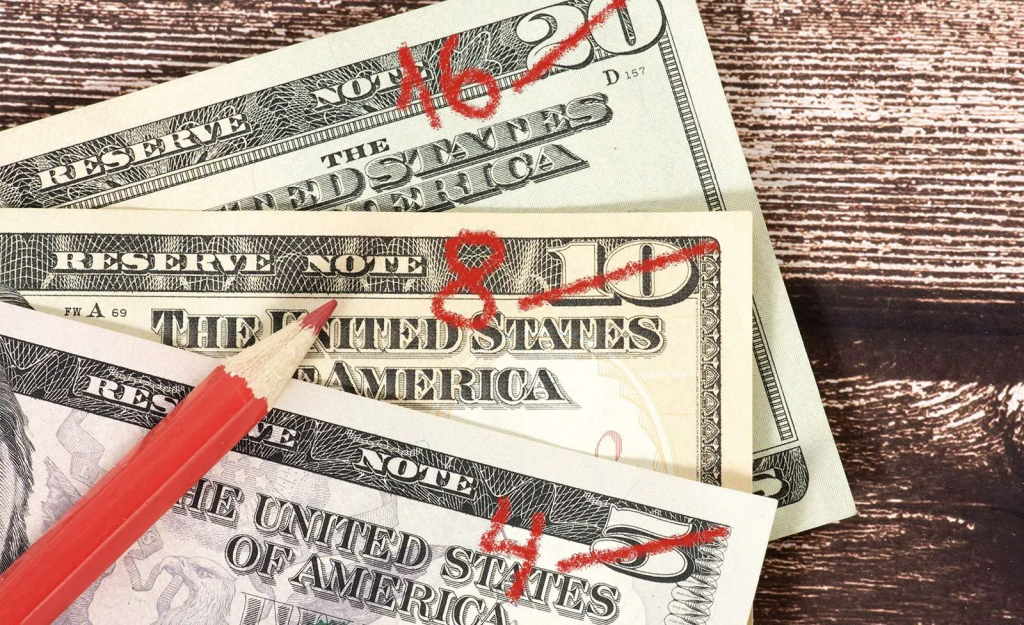
Inflation. Yeah, we all feel it. From the gas station to the grocery store, everywhere we go, everything we pay for, rising costs hit us over and over like a school yard bully. Not all industries are affected the same, but all feel the weight of inflation in cash flow, supply-chains, profitability, and most importantly, purchasing power. But how much does inflation affect us? Inflation — or the rate at which prices increase over time in relation to the amount of currency in circulation — affects everyone differently depending on the industry and our buying habits. To put it in its most basic terms: if a dollar could buy one dollar worth of goods and services yesterday, today it only buys ninety cents worth of goods and services. So, what happens when the rate of Inflation rises? Businesses raise costs or reduce the size of its products Businesses need to make profits to survive. As the cost of raw materials, import and export rates, and overhead rise, businesses must offset this cost to maintain that profitability. One way they do this is pass the cost on to us (also called “cost-push” inflation). That’s why we see prices go up, either directly through price points or indirectly through reduction of the amount of product sold. Businesses reduce staff or close. Other ways businesses maintain profits is by removing poorly selling goods or reducing staff. When high inflation first begins, workers may see a rise in wages. However, if the inflation rate continues to rise, paying employees becomes a burden, leading to reduced hours and layoffs. When prices get too high, and profits dwindle or become non-existent, there is no other recourse than to close their doors. Interest rates rise The main tool to fight inflation is higher interest rates because it makes borrowing money more expensive. Though this helps in reducing the value of old debt, we are less willing to use credit or make big ticket purchases when interest rates are too high. This leads to — Buying less goods and services We all prioritize our essential needs over what we want. As our purchasing power dwindles, purchasing that new car, buying that new couch, or spending the same amount on Christmas gifts may not be in the cards. We also look harder for sales and buy in smaller quantities to make ends meet. We choose to do it ourselves Non-essential services, such as hiring a housecleaner or paying for an attorney, are set aside in favor of doing it ourselves. The extra expense just isn’t necessary in most cases. Overall behavior changes In the end, as the rate of inflation rises, all of us change or habits and behavior. Though loyalty plays a big part, most of us would rather spend $50 on three days of meals than one meal at a restaurant; businesses would rather diversify their vendors than rely on just one; and restructuring priorities and processes becomes a priority.