Blog / Legal Documents

Blog

All Legal Documents Family Law California Law Estate Planning - Wills, Trusts, and Probate Divorce Business Pop Culture Custody Probate Code Child Custody COVID-19 Conservatorship King Law Firm News Lawyer Guardianship Executor Legal Codes Litigation Arizona Law Holidays Marriage Beneficiary Featured Immigration Wills Fiduciary Kentucky Law LGBT Nursing Home Neglect Realty Texas Law Trusts Undue Influence Adoption Annulment Awards Books Domestic Violence Expungement Fifth Amendment First Amendment Inflation Landlords Mergers & Acquisitions Mitigation Podcast Prenuptial Agreements Reverse Isolation Self-Incrimination Social Media Summary Dissolution Videos
Filling out form DE-111 for probate petition

Key Aspects of Filling Out Form DE-111 Petition for Probate

As part of our primer for probate in California, the first step for initialing probate is to file your probate petition. Filling out Form DE-111 is the first step to take in California to appoint a personal representative or executor. Let’s breakdown the initial information requests at the top of the form. The Executor and the Estate The contact information (if not completed by an attorney) will be that of the representative or executor. If not represented by an attorney, write “pro se” or “self-represented” where it says, “Attorney for.” Then, add all pertinent information, including the county, for the superior court for which the form will eventually be filed. The county listed should be where the decedent lived at the time of death, or in the case of someone who lived outside of California, where they owned property. If you are not sure which court to file, check the superior court’s website for a list of probate courts. Just below this information will be where you list the decedent’s full legal name, along with any possible aliases or name variants. What type of probate you’re petitioning for There are up to four options to choose from when deciding what type of probate you will be petitioning for. If there’s a will in place, you will select either a “Probate of Will and for Letters Testamentary” (for wills in which you are named as an executor) or “Probate of Will and for Letters of Administration with Will Annexed” (if you are not named as executor of the will). If you know there is a will, but it has been lost, mark the appropriate box. If there is no will, leave these unchecked. Whether or not there is a will, there are other options to consider: Letters of Special Administrator: If you need the court to appoint a representative because of exigent circumstances (in other words, in 24-48 hours instead of the general 4 to 6 weeks it would normally take to appoint an executor), you will select this option. Possible reasons you may need to speed up the process would be because of an impending foreclosure or to protect specific assets. Authorization to Administer Under the Independent Administration of Estates Act: If for some reason, you, as the executor, need to take specific actions without court approval, you will select this option. Be careful, though, as the will may prohibit this action. With Limited Authority: If you are not planning to sell or deal with real property, mark this box. The rest of this form is relatively self-explanatory, requesting details regarding all aspects of the decedent and the will itself. Answer fully and honestly to all questions. If you need assistance, or aren’t sure about how to answer a question, contact King Law Firm Attorneys at Law, Inc. for a consultation. You may also learn more about the entire probate process by downloading our probate timeline checklist.

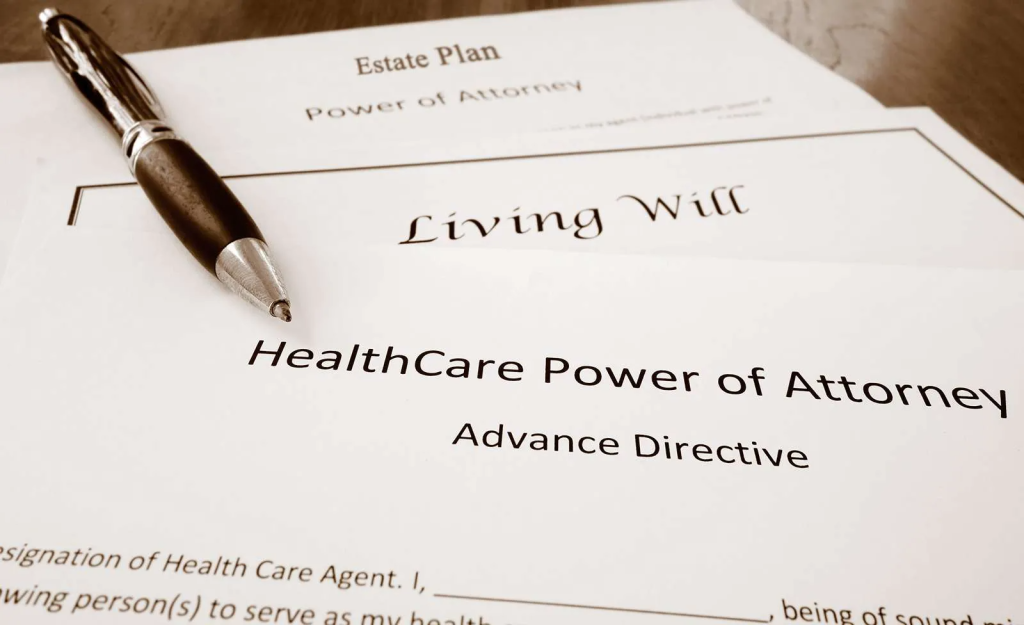
alternatives to conservatorships include a durable power of attorney, living trust, and advanced healthcare directives

4 Alternatives to Conservatorship for Aging Adults

When someone you love begins to show signs of dementia or other cognitive declines, you may be faced with several emotional and practical challenges. For instance, your loved one’s behavior may change, or they may begin to lose their memory or the ability to perform daily tasks, leading to financial losses or further decline in health. When this occurs, a lot of people petition for conservatorship over their aging adult. This allows them full control over major life decisions that may include financial and healthcare directives. However, for some adults, this may lead to feelings of resentment and anger as they no longer have control over their life. Recent legal challenges in California have helped mitigate the stranglehold some may have on a conservatorship, like the conservatiee’s right to contest a conservatorship or petition the court to end a conservatorship, but it can still be very difficult to end a conservatorship once it’s in place. Luckily, there are alternatives to conservatorship you can pursue to not only provide a healthy support system for someone who may become incapacitated, but to help guide and assist them when they are unable to do so on their own, all while avoiding a long legal battle or straining a loving relationship. 1. A Durable Power of Attorney A durable power of attorney is a great way to assist with finances and healthcare decisions without taking all rights away from their loved one. It ensures that how a person’s finances are handled, or what medical treatments they want or don’t want, are always honored. 2. An Advanced Healthcare Directive Similar to a durable power of attorney, the advanced healthcare directive provides information for what procedures and treatments you want and don’t want in specific situations without court intervention. Fill out this form to setup your Advanced Healthcare Directive. 3. A Living Trust Most may believe that a living trust is simply for listing what will happen to assets upon a person’s death without probate, however, a living trust may also allow for provisions should a person become incapacitated. 4. Supported Decision-Making Agreements Supported decision-making agreements allows the incapacitated party to retain authority over their financial and healthcare decisions with the support and necessary assistance of a trusted individual. Remember, whereas a conservatorship can only be sought after someone becomes incapacitated, these alternatives to conservatorship must be drafted and signed while each party is of sound mind and body, allowing the party who becomes incapacitated the opportunity to choose someone they absolutely trust to follow their assigned directives. It also gives the chosen proxy or agent the opportunity to provide valuable feedback on the other person’s financial and healthcare wishes prior to the individual becoming incapacitated. Reach out to an attorney to learn more about which alternatives to conservatorship may be in the best interest of you and your loved one, then download our Guide to Navigating Conservatorships for Aging Adults should you like more information, practical tools, and compassionate insight into the conservatorship process.

cracked wedding rings on top of divorce papers signaling summary dissolution

Summary Dissolution – Simplified Divorce in California

Your decision to file for divorce is tough enough. The last thing you want to deal with while figuring out your new life is a ton of documents, mediation, and court proceedings. Lucky for you, if you live in California, you may qualify for another option – summary dissolution. What is a Summary Dissolution? Summary dissolution is a simplified, less expensive process for divorce or legal separation. How Do You Qualify for Summary Dissolution? The process may be faster, however, there are stringent requirements that must be met to qualify for summary dissolution. First and foremost, the separation must be uncontested, which means both parties agree that the marriage is ending due to irreconcilable differences and to the division of property and assets. Each party must also waive any right to spousal support. Several additional requirements must also be met include: The separation date must be within five years of the date of your marriage. The couple must not have any children together, nor can either part be pregnant. The couple may not own property or land together and may not have debt that exceeds $7,000 (except for car loans). Assets owned by each party may not exceed a net worth of $53,000 together (from the date of marriage) or separately (before the marriage). Except for your primary residence, parties may nat have a rental agreement for land or buildings. If any of the above conditions are not met, you do not qualify for a summary dissolution. Your Guide to Summary Dissolution If you do qualify for summary dissolution, the Summary Dissolution Information booklet ( FL-810) is required reading—you will need to sign under oath that you’ve read it. This booklet details everything you will need, including documents and worksheets that must be completed. Important Information to Know Financial Forms Both parties must complete the following financial disclosures: Income and Expense Declaration ( FL-150) Declaration of Disclosure ( FL-140) Schedule of Assets and Debts ( FL-142) or a Property Delaration ( FL-160) Each spouse will then swap these forms along with tax information and additional investment and business disclosures. Court Filings Once the financial information is complete, you’re ready to fill out and sign the settlement agreement found in the Summary Dissolution Information booklet. This form, along with a Joint Petition for Summary Dissolution ( FL-800), a Judgement of Dissolution and Notice of Entry of Judgement ( FL-825), and your property agreement (a detailed explanation for the division of assets) must then be filed with the court. Deliver two copies (along with the original) to the court clerk and pay the required $435 filing fee. (If you receive public benefits or can prove hardship, you may be able to waive the fee.) Additional local or county forms may also be required. That’s it. There are no court hearings to finalize the divorce. If you have questions, or need assistance with any of the summary dissolution documents, contact King Law Firm Attorneys at Law, Inc.

california divorce process king law firm attorneys jpg 1 - King Law Firm Inc. California Divorce in 6 Simple Steps — A Primer

California Divorce in 6 Simple Steps — A Primer

Divorce is never easy. Along with the emotional strain, dealing with all the forms, procedures, and rules required to file a divorce in California can become overwhelming. Understanding the basic process can help mitigate the stress. Step 1: Prepare to File for a California Divorce The first thing you want to do is inform your spouse about the divorce in person. If doing so is impossible, send an email, or call. Blindsiding your spouse may affect your case down the line, especially when it comes to agreeing to the division of property and support. If you have children, talk to them about what’s happening and give them time to ask questions. Answer honestly and never disparage or speak badly of your spouse. Once all parties are aware of the divorce, collect your passport, birth certificate, insurance policies, bank statements, and any other important documents. Step 2: File Initial Documents Now that you’re prepared, it’s time to file the paperwork. To initiate divorce proceedings, you must be a resident of California for at least six months and a resident of the county for at least 3 months. If this residency requirement is met, fill out and file a petition and a summons with your local courthouse, along with the required $435 filing (or “first appearance”) fee. If you have children under 18, a Declaration under Uniform Child Custody and Enforcement Act (UCCJEA) will also need to be filed. Step 3: Deliver the Documents to Your Spouse Once the paperwork is properly filed, ask a friend, contact the sheriff’s office, or hire a licensed process server to deliver, or serve, the papers to your spouse, who will then have 30 days to file a response. You cannot serve the paperwork yourself. It must be a third party over the age of 18. After they’ve served the papers, ask the third party to file a Proof of Service of Summons with the court as proof they were delivered. Step 4: Share Your Finances Within 60 days of filing the petition for divorce (or filing a response), California fiduciary laws dictate that you must fill out a Declaration of Disclosure, an Income and Expense Declaration, a Schedule of Assets and Debts, and a Property Declaration. Step 5: Make Decisions About Finances, Property, and Children Through the process of discovery (the obtaining of documents and asking questions under the penalty of perjury), you and your spouse will come to terms with the division of assets, property, and childcare. If for whatever reason, a mutual consensus becomes impossible, mediation or a court hearing may be necessary. Step 6: File the Final Forms To finalize your California divorce, you will file a set of final forms. These vary depending on whether written agreements or support orders are included. If all information is accurate and complete, a judge will sign off on the divorce. There is a six-month waiting period before this final judgement is filed. If you have any other questions or concerns, feel free to contact King Law Firm Attorneys at Law, Inc.

elderly couple signing a prenuptial agreement before marriage

Prenuptial Agreements Break Through the Mask of Euphoria

Men and women have been celebrating Valentine’s Day since at least the 17 th century. Most people celebrate with candy, flowers, and cards. Others get down on one knee with an expensive ring in hand. If you were fortunate enough to give or receive a proposal on February 14 th, your heart is probably still aflutter with the strike of Cupid’s arrow and your everlasting love. However, behind the euphoria lies the reality of divorce. The Mask of Euphoria No one wants to believe divorce will happen to them, but even the strongest couples are in danger of growing apart. People change, fall out of love, or travel different paths than they originally intended. And when we hide from the possibility of divorce, we forget to protect ourselves—and our assets—from future turmoil. The Prenuptial Agreement Despite popular belief, you do not need to be a celebrity or multi-millionaire to draft a prenuptial agreement. A Prenuptial agreement (or prenup) is a written contract that protects each party from fraud or unfair distribution of assets. Separate vs. Community Property When considering a prenuptial agreement, you must understand the difference between separate and community property. Assets and debts accumulated prior to marriage are known as separate property. Assets and debts acquired during a marriage are considered community property. When a couple divorces, only community property is divided equally among both parties. However, separate property often becomes tangled in community property. Prenups help solidify the division between separate and community property. Key Advantages of Prenuptial Agreements Couples do not divide outstanding debts brought into the marriage. Protects the inheritance for a child from a previous marriage. Clarifies financial responsibilities—joint accounts, credit cards, retirement accounts, and household bills—and sets guidelines for gambling, stock trading, donations, tithing, and child bank accounts. Protects the assets of businesses started prior to the marriage, preventing liquidation, division, or the sale of the business. Provides financial protection if you must give up a lucrative job because of the marriage. Can ease the stress in a marriage. Avoids lengthy and costly arguments and mediations during a divorce. Key Disadvantages of Prenuptial Agreements May look like you’re not serious about the relationship, are negative about the marriage, or are planning to divorce sometime in the future. May cause animosity or lack of trust. May require you to surrender the right to inherit your spouse’s estate if they die. May not acquire the increase in the value of a spouse’s business. May not sustain the lifestyle you setup during the marriage. Should You Get a Prenup? Not all couples need a prenup, but if you have large assets going into the marriage, such as a business or a house, drafting a prenup is a sensible, rational decision. Call King Law Firm Attorneys at Law, Inc. to learn more before your I dos turn into I don’ts.

socialmedia 405491786 - King Law Firm Inc. An Unbiased Look At Social Media Censorship Regulations

An Unbiased Look At Social Media Censorship Regulations

The advent of social media is still relatively new. In its infancy, it was like a shiny new object; there was everything to love and nothing to hate. As it grows, though, and the honeymoon phase ends, people are at odds with how social media companies should operate. This is especially true as it relates to community standards, moderation, and censorship regulations. Contradictory decisions on two similar laws in Texas and Florida clearly highlight the issue regarding what free speech means and how it should be enforced when it comes to social media censorship. Texas Bill H.B. 20 and Florida Bill S.B. 7072 H.B. 20 and S.B. 7072 are similar in their quest to end social media censorship. Both bills prohibit social media companies with at least 50 million active users from being able to ban or demonetize content or users because of the user’s viewpoint. The 11 th Circuit Court of Appeals ruled against S.B. 7072, while the 5 th Circuit Court of Appeals upheld H.B. 20. Opponents of H.B. 20 and S.B. 7072 argue that: The First Amendment protects citizens from government censorship of speech, not a private company’s censorship of speech. Government cannot compel a private company to print/publish speech that goes against their posted community standards. Social media platforms have an obligation to provide a safe community for its users, free of misinformation, fake news, conspiracy theories, propaganda, and hate speech. Algorithms setup by social media platforms to stop misinformation and propaganda campaigns cannot be biased against one side or another. The Federal Government should continue regulating these measures to make sure social media platforms remain protected from rampant abuse. Supporters of H.B. 20 and S.B. 7072 argue that: The First Amendment protects free speech regardless of whether it’s censorship by a government or a private company. The line between the Federal Government’s involvement in the moderation of content has blurred so much, there may no longer be a difference between the platform and the Government. Who is the arbiter of what constitutes misinformation, fake news, conspiracy theories, propaganda, and hate speech? There are already practices in place for the users to moderate the content they see on their own; No one person or company should be allowed to dictate what is or isn’t misinformation. Algorithms and AI entities are only as neutral as the person who develops them; if a developer is strongly biased against one side or another, they can infuse those biases into the code and “learn” specific societal biases. If social media companies are private entities, the Federal Government should remove themselves from regulating or helping these platforms altogether. It’s hard to know what side is right or if both sides have a point. It may all depend on the Supreme Court to officially decide this argument. Regardless of what side you’re on, we can all probably agree on one thing: death threats, violence, posting or live streaming murder or other deviant material, and child pornography and endangerment should always be banned with prejudice and not be considered part of social media censorship.

dissolve wedding king law firn attorneys at law annnulment divorce dissolution - King Law Firm Inc. Annulments – A Primer

Annulments – A Primer

Back in 2019, Nicolas Cage married his then girlfriend Erika Koike after “drinking to the point of intoxication.” Cage, as a lot of people do when in the throes of infatuation, acted on impulse. Four days later, he claimed the marriage was fraud as he was not fully aware of the extent of a relationship between Koike and another person, nor did she disclose her criminal history. Throwing caution to the wind and getting married in front of an Elvis impersonator at a small chapel just off the strip happens all the time. Your first instinct upon realizing what happened the next morning may be to get the marriage annulled as fast as possible. But what happens when you decide to get married in a state like California and have come to regret the decision, or previously undisclosed information suddenly comes to light? Is annulment right for you? First, you must understand the difference between annulment and divorce Annulment declares a marriage was never valid. Under the law, the marriage never existed. Divorce is a legal dissolution or termination of a valid marriage. The marriage will always be recognized as having existed under the law. California Requirements for Annulment Unlike a divorce, in which a specific reason for wrongdoing is unnecessary to begin the process, someone filing for an annulment in California must prove under oath that the statute of limitations has not passed and at least one of the following requirements are met: Related – The parties are found to be related by blood. (No limitations.) Bigamy – One party was already married to someone else at the time of the marriage. (Must file while the previous spouse is still alive.) Underage – The person filing was under 18 at the time of the marriage. (Must file within four years of turning 18). Fraud or Force – Fraud was involved that goes to the essence of why the marriage occurred, or one party was forced into the marriage. (Must be filed within four years from the discovery of the fraud.) Physical Incapacity – One party is unable to consummate the marriage. (Must file within four years of the marriage.) Unsound Mind – One party has a mental illness that keeps them from understanding the concept and duties of a marriage (Must file before one or the other party has died; a conservator may also file in this instance.) Other Considerations Other considerations one might take into account when deciding whether to file for an annulment are asset division, spousal and child support, and custody. Because annulment invalidates the marriage, property isn’t protected as it is under a divorce, nor are you guaranteed spousal support or survivorship benefits. Filing If you meet at least one of the above requirements, it is best to speak to an attorney about filing the paperwork. However, if you wish to file on your own, go to https://selfhelp.courts.ca.gov/divorce-california/annulment/start for more information or download the paperwork at https://www.courts.ca.gov/1246.htm.

california laws 2022 public safety health housing food restaurants employment

New California Laws Taking Effect In 2022

California law, legal system and justice concept with a 3d render of a gavel on a wooden desktop and the Californian flag on background. With the arrival of the new year, Californians saw 770 new California laws signed by Governor Gavin Newsom go into effect on January 1, 2022. Of the hundreds of new bills, Newsom is proud of making, “…meaningful progress on an array of issues… in advancing historic measures to improve the lives of Californians, including new tools to boost our housing supply, improve workplace conditions and build a stronger state.” So, which of the nation-leading new California laws will affect your health and way of life the most? You be the judge. (AB = Assembly Bill; SB = Senate Bill) Public Safety AB 43 provides cities more control over their speed limits (new speeds which cannot be fully enforced until 2024). AB 48 prohibits the use of rubber bullets and tear gas to disperse crowds during a protest or be used if someone has violated a curfew or is non-compliant with an enforcement directive. AB 1171 removes the section in the California penal code that differentiates spousal rape from all other cases of rape. Ghost guns (guns ordered in parts and assembled at home) may now be seized upon a judge’s order should a concerned citizen believe someone is at risk. Health SB 380 shortens the amount of time someone is required to wait between filing a request for end-of-life drugs from 15 days to two and eliminates the requirement of a written statement from the patient. SB 1383 requires all excess food waste to be separated into its own organic recycling waste bin. Beginning in the fall, public schools (grades six and above) must stock all restrooms with free tampons and other menstrual products. Education AB 101 requires all students to take at least one ethnic studies class to graduate starting in the 2029-2030 school year. Beginning July 1 (and for the school year beginning in August), SB 328, signed back in 2019, goes into effect, restricting middle schools from starting classes before 8 a.m. and high schools before 8:30 a.m. Food and Restaurants SB 314 makes outdoor dining space in parking lots permanent, and AB 61 allows for easier access to temporary liquor licenses for restaurant pop-ups. SB 389 makes permanent the temporary emergency order from March 2020, which allowed restaurants and bars to sell wine, beer and cocktails as a to-go item. Housing SB 9 allows property owners to add up to three additional housing units and SB 10 allows for the building of up to 10 units per parcel in transit-dense areas. Employment SB 62 requires all factory workers in the garment industry to convert piece-rate compensation to an hourly wage. SB 331 prohibits employers from including non-disclosure clauses as part of settlement agreements in relation to discrimination, sexual harassment, and retaliation. Any business with over 25 employees must now pay all employees a minimum of $15 an hour, and those under 25 employees must pay $14 per hour. Elections AB 37 akes permanent the emergency mail-in ballot provision, and expands it to include all local elections.

Lawyer Kings Logo 300 scaled - King Law Firm Inc. Lawyer Kings Podcast Now Available

Lawyer Kings Podcast Now Available

Ever since I started King Law Firm Attorney’s at Law, Inc., I’ve been committed to your legal success. Part of this commitment is the effective communication of information, which I’ve provided in various forms on this site. We offer plenty of links to information you may need to better understand your particular situation, and videos on our YouTube and TikTok pages offer everyone quick tips on what makes the law tick. In an effort to expand on this commitment, I’m proud to announce my new podcast, The Lawyer Kings. What is The Lawyer Kings Podcast? I started The Lawyer Kings Podcast with my dad, Patrick. Together, we will share our many years of knowledge in all facets of the law. We’ll answer any questions you may have about how the law works and we’ll talk with expert guests on everything from civil litigation and criminal justice to estate planning and family law. Most importantly, my dad and I will attempt to bridge the gap between old-school law practices, like paper everything, and twenty-first century digital-style practices. Who is Rachel King? Being raised in a family of attorneys, I had a clear idea of where I wanted to be in my career. I earned my Juris Doctor degree from Thomas Jefferson School of Law and served in the Army as a paralegal and Communication Specialist. Right now, my expertise is in estate planning, family law, bankruptcy, and real estate law. But, whatever your needs, I strive to provide professional representation that meets the diverse legal needs of each individual. As for licenses and accomplishments, I am an active member in good standing with the State Bar of California, the Riverside County Bar Association, Southwest Bar Association, Richard T. Fields Bar Association, and the American Bar Association. I’ve also developed the Attorney Mentor Program within the Southwest Valley Youth Court and was named one of the best probate attorneys in Murrieta, California in 2021 by Expertise.com. Who is Patrick King? My dad has been practicing law since 1982. He got his Juris Doctor from Southwestern University School of Law, after which he argued hundreds of appeals, including over 250 Supreme Court Appellate cases. Much like myself, my dad provides expert representation in wills, trusts, durable powers of attorney, divorce, guardianship, and child support. He also provides assistance with funeral directives, articles of incorporation, by-laws, and accident injuries. His licenses include the Nevada State Bar Association, Washoe County Bar Association, Douglas County Bar Association, American Bar Association, and Washoe, Carson and Douglas Bar Associations. You can visit his firm’s site at kingandrussolaw.com. Questions about the Law? The law is much more demanding than it’s portrayed on television. If you have a question about a specific case you may be dealing with or of the law in general, please fill out the form found on the official podcast site, TheLawyerKings.com. You can also listen to our weekly podcast on any of your favorite podcast stations.

Heggstad Petition, California, living trust

How To File a Heggstad Petition

Performing due diligence when it comes to setting up an inheritance is highly recommended for anyone with a family. Having a living trust in place when your time on Earth has expired helps protect family members from lengthy and costly probate or contentious legal battles while they are still grieving your loss. However, no matter how much time and effort we place in building a living trust, mistakes still happen. Real property or other assets may sometimes be unintentionally left out or never transferred to the trust. In California, this type of oversight can be remedied by filing what’s known as a Heggstad Petition. What is a Heggstad Petition? The Heggsted petition was formed after the Heggsted estate probate ruling in 1993. Prior to his death, Mr. Heggstad failed to record a grant deed to formally transfer some property to the trust. However, because he had previously listed the property on the trust’s Schedule of Assets, there was a clear intent to transfer the property to the trust, which prompted the court to rule that it was, in fact, part of the trust. Since this ruling, this measure of intent has been redefined to include assets that aren’t listed on the Schedule of Assets but include written, legal proof that it was always the decedent’s INTENT to include the asset. When should I file a Heggstad Petition? Some reasons to file a Heggstad Petition include: Property not being transferred or being incomplete at the time of death; Flawed paperwork Failing to change the title of the property; or Failing to return the property to the trust after a refinance. Be aware that if the court denies the petition, the estate loses any fees associated with filing and may delay the distribution of assets even longer than a normal probate. How do I file a Heggstad Petition? Heggstad Petitions are filed under California Probate Code 850. You may file for a petition if you meet one or more of the following criteria: A trustee holds the title to the property, but another person claims ownership; A trustee claims title to a property that is held by someone else; or the property is claimed to be subject to a creditor There is no formal document to fill out, but there is specific information that must be included: A copy of the decedent’s trust, including the Schedule of Assets; Relevant decedent and beneficiary Information; A description of the assets in question; and Clear and legal documentation of the decedent’s intent to include the property in the trust. Filing a Heggstad Petition can be quite arduous; providing vague language, such as “all property” may not be beneficial or enough to grant the petition, and you must provide a 30-day notice to all interested parties before filing. Bottom line, you will definitely want to talk to a probate attorney to correctly file the Heggstad Petition.

USCIS EB-5 Program for Foreign Investors and Immigrants

Understanding the EB-5 Program

With the current situation at the Southern border hurting the prospect of asylum requests, and other immigration options taking up to ten years to process, a foreigner who feels persecuted or whose current living situation could be greatly enhanced if they had access to the resources the United States has to offer, can become extremely frustrated and discouraged. However, a lesser-known option, known as the EB-5 program, offers individuals the chance to bypass all the rigmarole and earn lawful permanent residency within two to three years. The EB-5 Program (or Employment-Based fifth preference) was set up in 1990 to allow foreign nationals to become lawful permanent residents by investing capital in qualifying commercial enterprises and stimulate the economy. Investments made through the program must be a minimum of $1,000,000 unless invested through a regional center — entities managed by third-parties centered in and around targeted employment areas (TEA), including impoverished communities and rural areas with high unemployment — at which point, the minimum investment is lowered to $500,000. In order to be approved, an investor must show they are using at-risk funds based on current capital and assets (no loans or illegitimate funds) and prove they will be able to create full-time jobs for at least ten U.S. citizens within two years. There are other regulations currently in place, the biggest of which is the requirement that investors engage in day-to-day management of the businesses (with the exception of passive investors who have invested in regional centers). Currently, there are 10,000 visas available per year and each country is only allowed up to 7% of those visas. Provisions allow family members to be counted as part of this 10,000 limit. As of February 15, 2019, President Trump has officially signed a bill to fund the program through the end of September with no alterations, but due to concerns that the program is riddled with fraud, officials are calling for major reforms that include: Raising the minimum investment from $500,000 to $1.35 million, and $1,000,000 to $1.8 million to account for inflation; No longer counting family members as part of the 10,000 Visa cap and removing the per-country cap; Termination of Regional Centers that fail to promote economic growth; Fixing loopholes in the regional centers that allow funds to be funneled into richer areas; Eliminating passive investments (all investors would be required to manage their businesses on a day-to-day basis). To be considered for the EB-5 program, you must first file Form I-526 — Immigrant Petition by Alien Entrepreneur with the U.S. Citizenship and Immigration Services (USCIS). Because the application process is extremely arduous and paper heavy, it is best to hire a good immigration attorney to put together petition paperwork, prepare for the investor interview, establish lawful permanent residency, and keep the investor appraised of any changes that may occur as legislation continues to update regulations and make changes to the program. Visit the USCIS website for additional information.

Learn about the new 2019 laws in California

New California Laws in 2019

Let’s be clear: plastic straws have not been outlawed in California. However, as of January 1, 2019, restaurants (with the exception of fast food) may not provide you with a plastic straw unless you specifically ask for one. In addition, all restaurants must provide a healthy drink, such as milk or water, as the default beverage in a child meal. As usual, this is just the tip of the iceberg. Below is a list of the laws implemented at the beginning of 2019, categorized by importance to our clients. Small Business Regulations Street vendors are free to sell on California streets, but are subject to regulation if they’re in violation of health, safety or public welfare standards. (Read Bill) Corporate Business Regulations If an employer is required to obtain information about a conviction, or a job applicant would be required to have a firearm, employers may ask the applicant about particular convictions regardless of whether they have been expunged, are sealed, eradicated or dismissed. (Read Bill) Employers may not force any employee to sign a waiver or non-disclosure agreement in order for the employee to be hired, earn a raise or get promoted. (Read Bill) Claimants in sexual harassment suits can choose to keep their name private, while employers may no longer secretly settle or hide factual information in regard to sexual harassment or discrimination claims. (Read Bill) Employees are protected from defamation lawsuits when an allegation of sexual misconduct is based on credible evidence or without malice. (Read Bill) Publicly held corporations must have at least one female on their board of directors by the close of 2019. (Read Bill) Companies must make a reasonable effort to provide a room that is not a bathroom for breastfeeding. (Read Bill) Juvenile Law Minimum age for prosecution in juvenile court is now 12, except in the case of murder or rape. (Read Bill) No child under the age of 16 may be tried as an adult or sent to prison. (Read Bill) Social Policies An “X” will appear on driver licenses for those who do not identify as male or female. (Read Bill) Breeding of cats, dogs and rabbits is now prohibited in pet stores. (Read Bill) Students are free to wear religious and cultural adornments during graduation ceremonies. (Read Bill) Law Enforcement Police must release all body camera footage to the public within 45 days of an assault or death at the hands of an officer. (Read Bill) Anyone convicted of misdemeanor domestic violence is now prohibited from possessing a firearm for life. (Read Bill) Licensed firearm dealers may not sell long guns (rifles or shotguns) to anyone under the age of 21, except when that person is in law enforcement or the military. (Read Bill) Ammunition and bullet drums may now be confiscated along with the weapon. (Read Bill) Personal and Public Safety Gun owners must participate in eight hours of proficiency training prior to receiving a concealed carry license. (Read Bill) Driver’s found guilty of DUI must install a temporary breathalyzer in their car. (Read Bill) If you would like to know more about these, or any laws not listed above, visit California Legislative Information.

Contact Us

Fill out this form below and we'll contact you shortly
*Required Fields