Blog

All Family Law California Law Estate Planning - Wills, Trusts, and Probate Divorce Business Legal Documents Pop Culture Custody Probate Code Child Custody COVID-19 Conservatorship King Law Firm News Lawyer Guardianship Executor Legal Codes Litigation Arizona Law Holidays Marriage Beneficiary Featured Immigration Wills Fiduciary Kentucky Law LGBT Nursing Home Neglect Realty Texas Law Trusts Undue Influence Adoption Annulment Awards Books Domestic Violence Expungement Fifth Amendment First Amendment Inflation Landlords Mergers & Acquisitions Mitigation Podcast Prenuptial Agreements Reverse Isolation Self-Incrimination Social Media Summary Dissolution Videos

Can a Trust Help Avoid Probate in California?

Yes, a properly created and funded trust can help certain assets avoid probate in California. For many families in Wildomar and throughout Riverside County, a revocable living trust can be an important estate planning tool because assets held in the trust can generally pass according to the trust's instructions without going through the traditional probate process. However, simply creating a trust is not enough. Assets generally must be properly transferred into the trust for the trust to accomplish its intended purpose. If you have questions about a trust, probate, trust administration, or a dispute involving trust assets, King Law Firm Attorneys at Law is located at 34859 Frederick Street, Suite 108, Wildomar, CA 92595. Call 951-834-7715 or contact King Law Firm Attorneys at Law to discuss your situation. more How Can a Trust Help Avoid Probate? Probate is the court-supervised process that may be used to administer assets remaining in a deceased person's estate. Whether probate is required depends on factors including how assets were owned, their value, beneficiary designations, and the estate planning documents in place. A properly funded living trust works differently. When assets are transferred into a trust, legal title to those assets is held by the trustee according to the terms of the trust. During your lifetime, you may serve as trustee of a revocable living trust and continue managing the trust property. You can also name a successor trustee who can take responsibility for administering the trust after your death or if circumstances described in the trust require a successor to act. Because property properly held in the trust does not need to be transferred through a will at death, those assets can generally be administered outside of probate. Creating a Trust Is Only Part of the Process One of the most important aspects of using a trust for probate planning is funding the trust. Creating and signing a trust document does not automatically place all of your property into it. Depending on the type of asset, additional steps may be necessary to transfer ownership or otherwise coordinate the asset with the estate plan. For example, real estate intended to be held in a trust generally requires appropriate documentation to transfer title to the trustee of the trust. If an asset remains individually owned at death without another method of transfer, the existence of a living trust alone does not necessarily prevent that asset from becoming part of a probate estate. For questions about how a trust may affect probate in California, call King Law Firm Attorneys at Law at 951-834-7715 or request a consultation online. Types of Trusts Used in California Estate Planning There are many types of trusts, and each serves a different purpose. Two broad categories people commonly encounter are revocable and irrevocable trusts. Revocable Living Trust A revocable living trust is commonly used as part of an estate plan. As the name suggests, a revocable trust can generally be amended or revoked by the person who created it while that person is living and has the legal capacity to make those decisions. The person creating the trust may also serve as the initial trustee, allowing that individual to continue managing property placed in the trust. The trust can provide instructions concerning: Who will serve as successor trustee How trust assets should be administered Who should receive property after death When and how beneficiaries receive their distributions How certain property should be handled if the creator becomes incapacitated When assets are properly titled in the trust, the successor trustee can generally administer those assets according to the trust rather than transferring them through probate. Irrevocable Trust An irrevocable trust generally provides substantially less flexibility than a revocable living trust. Depending on the type of irrevocable trust and its terms, the person establishing it may give up significant rights or control over the transferred property. Irrevocable trusts may be used for specific estate planning, asset-management, tax, or beneficiary-related purposes. They should not be viewed simply as a "better" version of a revocable trust. Whether an irrevocable trust is appropriate depends heavily on the circumstances and objectives involved. Does Everything in a Trust Automatically Avoid Probate? No. The important question is not simply whether someone has a trust. It is whether the relevant property was properly transferred to or otherwise coordinated with the trust. This is why periodically reviewing an estate plan can be important. Someone might establish a living trust and later purchase a home, open financial accounts, acquire investments, or receive other property without considering how those assets fit into the existing plan. When property is left outside the trust, additional procedures may be necessary after death. What About Assets With Named Beneficiaries? A trust is not the only way property can potentially transfer outside probate. Certain assets may pass through beneficiary designations, survivorship rights, or other legally recognized transfer mechanisms. The correct approach depends on the particular asset and how ownership and beneficiary designations are structured. An effective estate plan therefore involves more than simply preparing a trust document. The trust, property ownership, beneficiary designations, and other estate planning documents should work together. Why Should a Trust Be Reviewed? Estate plans should not necessarily remain untouched for decades. A review may be appropriate following significant personal or financial changes, such as: Marriage or divorce Birth or adoption of a child Death of a beneficiary or trustee Purchase or sale of significant real estate Major changes in financial circumstances Acquisition of substantial new assets Changes in family relationships or planning priorities Changes in California law may also affect estate planning considerations over time. A review provides an opportunity to determine whether the trust still reflects your wishes and whether assets have been properly coordinated with the plan. What Happens After the Trust Creator Dies? Avoiding probate does not mean that nothing has to happen after death. A successor trustee generally has responsibilities associated with administering the trust. Depending on the circumstances, these duties can include identifying and safeguarding trust property, reviewing the trust's instructions, communicating with beneficiaries, addressing debts and expenses, maintaining appropriate records, and ultimately distributing assets as directed by the trust. Trust administration can also lead to disagreements. Beneficiaries may question a trustee's decisions, distributions, accounting, handling of property, or interpretation of the trust. Trustees may also encounter disagreements among beneficiaries or uncertainty concerning their responsibilities. King Law Firm Attorneys at Law handles trust litigation matters involving trustees, beneficiaries, trust administration, and disputes over trust assets. If you are involved in a trust dispute or have concerns about how a trust is being administered, call 951-834-7715 or contact King Law Firm Attorneys at Law. Can a Trust Guarantee That Probate Will Never Be Necessary? No estate planning document should be treated as an absolute guarantee that probate will never be required. Whether probate or another court procedure becomes necessary depends on the assets involved, how they were titled, their value, applicable California law, and the circumstances existing at the time of death. A properly established and funded trust can nevertheless be an important tool for reducing the amount of property that may otherwise have to pass through probate. Talk With King Law Firm Attorneys at Law in Wildomar, CA Trust and probate issues can become complicated when property ownership, beneficiary rights, trustee responsibilities, or family disagreements are involved. King Law Firm Attorneys at Law is located in Wildomar, California, at: King Law Firm Attorneys at Law 34859 Frederick Street, Suite C Wildomar, CA 92595 If you have questions involving a trust, probate matter, trust administration, beneficiary rights, or trust litigation, call 951-834-7715. You can also contact King Law Firm Attorneys at Law online to request a consultation. This article is intended for general informational purposes and does not constitute legal advice regarding a particular estate, trust, or probate matter.


When Should You Hire a Probate Litigation Attorney?

Navigating the probate process can be a daunting task, particularly when disputes arise among family members or when the estate's complexities overwhelm the executor. For residents of Riverside, CA, seeking guidance from a probate litigation attorney like those at King Law Firm can provide clarity and protection during such trying times. Understanding Probate Litigation Probate litigation involves legal disputes that occur during the probate process when there's disagreement over the proper administration of a deceased person’s estate. These disputes can complicate and extend the time required to settle an estate, causing emotional and financial strain for those involved. Common Reasons for Probate Disputes in California Several common factors can trigger probate disputes in California. Understanding these can help you recognize when legal intervention may be necessary: Ambiguous Provisions in Documents: Unclear terms or vague language in wills or trusts can lead to multiple interpretations, resulting in family conflicts. Outdated Estate Planning Documents: Failing to update estate plans to reflect life changes, such as marriages, divorces, or the birth of children, often causes disputes. Questions About Mental Capacity: Allegations that the decedent lacked mental capacity when altering their will can lead to court interventions. Allegations of Undue Influence: Concerns about manipulative behaviors affecting the decedent's decisions can arise, especially if one heir appears overly favored. Executor or Trustee Misconduct: Disagreements regarding the actions or decisions of the estate’s executor or trustee can lead to legal challenges. These are just a few of the scenarios that can cause turmoil during the probate process. Engaging a skilled probate litigation attorney can significantly mitigate these risks. When to Hire a Probate Litigation Attorney Knowing when to seek an attorney's counsel can determine the effectiveness of resolving probate issues: Will Contests: If there are grounds to believe the will was forged or influenced by fraud, an attorney can help contest its validity. Trust Disputes: Issues with the distribution of assets in a trust or accusations of improper trust administration require legal expertise. Executor/Administrator Disputes: When the actions of an estate representative are questionable, a lawyer can advocate for the rightful inheritance. Guardianship or Conservatorship Issues: Disagreements regarding the care or management of a ward can necessitate court intervention with legal representation. Breach of Fiduciary Duty: When executors or trustees fail to act in the estate’s best interests, legal action becomes essential to protect your rights. Intestate Succession: If a loved one dies without a will, legal guidance is crucial to navigate California’s intestate succession laws. In these instances, a probate litigation attorney can offer strategic counsel and representation to protect your interests. Local Insights: Probate Litigation in Riverside, CA Riverside County’s growing population and vast estates make it a hotspot for probate disputes. The Inland Empire region is known for its significant real estate value and complex family estates, intensifying the need for experienced probate attorneys. The professionals at King Law Firm, led by board-certified specialist Rachel A. King, are equipped to handle such local complexities with a strategy-first approach. Why Choose King Law Firm for Your Probate Needs King Law Firm, established by Rachel A. King in 2014, is a litigation powerhouse headquartered in Wildomar, CA. The firm's mission is to provide compassionate, strategic legal representation, ensuring clients’ rights are fiercely defended. Recognized for their ethical integrity and attention to detail, they offer flexible representation options, including remote appearances, making the process as seamless as possible for their clients. Their commitment to high-quality legal service is backed by numerous accolades and a strong client satisfaction rating. If you're in Riverside or the surrounding areas, consider reaching out for a consultation. For assistance with probate matters, don't hesitate to contact King Law Firm today. With their strategic legal guidance, you can navigate the probate process confidently and protect your family's interests.

7 Reasons a Trust Can Be Challenged in California

In California, trusts are a commonly used tool in estate planning. They offer many advantages, such as avoiding probate and ensuring privacy. However, not all trusts function smoothly after their creator's passing. Sometimes, beneficiaries or other interested parties may have grounds to challenge a trust. Here's an exploration of why a trust can be contested in California, with a particular focus on Riverside and the services provided by King Law Firm Attorneys at Law. 1. Lack of Mental Capacity One of the primary reasons to challenge a trust is the trustor's lack of mental capacity at the time of its creation or amendment. This means the trustor did not understand the nature of their actions, including who the beneficiaries were, what property was included, or the effect of the trust. Evidence of dementia, cognitive decline, or other mental impairments can support such a challenge. 2. Undue Influence Undue influence occurs when an individual exerts excessive pressure on the trustor to create or modify a trust in their favor. This often involves manipulation, threats, or exploitative relationships, which can compromise the trustor's free will. Cases involving caregivers, close family members, or advisors are common scenarios where undue influence might be alleged. 3. Fraud Fraud involves deceitful actions that result in the trustor forming or altering a trust under false impressions. This might include misleading the trustor about the content of the trust documents or lying about the intentions of other beneficiaries. Fraud is a serious allegation and requires substantial evidence to overturn a trust on these grounds. 4. Forgery Forgery in the context of a trust signifies that the trust document, or parts of it, might have been falsely signed or altered without the trustor's legitimate consent. This could involve someone else signing the trustor's name or tampering with the trust’s terms. Discovering discrepancies in the signing can be grounds for declaring a trust invalid. 5. Duress Duress occurs when a trustor is forced to execute a trust under threat or coercion. This can involve physical threats, emotional blackmail, or any form of pressure that leaves the trustor with no reasonable alternative but to comply. Trusts signed under duress are often contested successfully once proof is provided. 6. Mistake in the Trust Document Errors in trust documents can lead to disputes. A mistake might involve incorrect designations of beneficiaries, property descriptions, or other vital terms that do not reflect the trustor's true intentions. The courts may rectify such errors if there's clear evidence showing what the trustor intended. 7. Improper Execution For a trust to be valid in California, certain legal formalities must be followed. According to California Probate Code §§15200-15205, a valid trust requires specific elements like intent, written form for certain properties, and proper execution. Failure to meet these requirements can render a trust contestable. Who Has Standing to Challenge a Trust? In California, only those with a direct financial stake in the trust's outcome have standing to contest it. This typically includes beneficiaries named in the trust, heirs at law who would inherit in the absence of the trust, or individuals named in prior versions of the trust. The 120-Day Deadline Beneficiaries should act promptly when challenging a trust. Once a trustee sends out a Probate Code §16061.7 notice, there is a strict 120-day deadline to file a contest. Missing this deadline can severely limit or negate the ability to challenge the trust. Navigating trust disputes can be complex and emotionally taxing. King Law Firm Attorneys at Law in Riverside, CA, specializes in probate and trust litigation, offering expert guidance to anyone embroiled in such matters. If you suspect any issues with a trust or require legal assistance, visit King Law Firm's contact page for professional support. For more insightful articles or legal advice related to California trust litigation, keep following our blog.

Person questioning a lawyer for to contest a will

Contest a Will in 4 Steps

Your father just passed away. You’ve said your final farewell at the funeral, but then realize this is only the beginning. It’s now time to start the arduous probate process. Emotions are already running high, but now you’ve realized there’s something wrong with the will your father left. As a beneficiary who was expecting to receive part of the estate, it’s hard to believe you’ve somehow been excluded. Is there anything you can do? Yes, but you must follow strict rules and guidelines to contest a will. What to Have for Contestation You first need to confirm you are an interested pIf youarty—a beneficiary, a creditor with a valid claim, or legal heir determined by intestacy laws if there is no will—with legal standing to contest a will. This means arguing undue influence, improper execution, fraud, or revocation was involved. In other words, you must seek to prove one of the following: The testator (or the person who drafted the will) did not have the mental capacity (was not of sound mind, meaning they did not understand what they own, the value of each item, and who their natural heirs are) to draft or sign the will in question. The testator was manipulated, coerced, or forced under duress into drafting or changing parts of the will. The testator was deceived in some way to change or omit beneficiaries. There weren’t proper witnesses. The signature was forged. An earlier draft was submitted to probate. You have a strict deadline of 120 days from the start of probate to contest a will if you haven’t already objected to the initial probate hearing. Contesting the Will First step, notify the probate court and the estate of your intention by filing a petition. Next, gather the evidence you need to contest the will. Evidence includes, but is not limited to, a different version of the will, medical records, and witness testimonies. If you have objected to the initial hearing, this will you give you additional time to gather the evidence. Once you have the evidence needed, you will enter it into discovery. Witnesses will then be deposed, and you will go to mediation to remedy the situation through a neutral third-party. If the contestation cannot be resolved through mediation, you will then go to court and present your case to the judge. Costs and No-Contest Clauses If you contest a will, it may cost upwards of few thousand dollars (includes court and filing costs and attorney fees) and could take years to conclude. This is one reason why you want to have a solid case before attempting to contest a will. Another reason is when a will has a no-contest clause. If it does, and you lose the case, you can also lose all the inheritance you would have been subject to. If you have any questions about your rights as a beneficiary, check out our Guide to Beneficiary Rights and then contact a reputable probate attorney.

8 important terms to know when becoming an executor of an estate with last will and testament photo superimposed on a photo of two people with paperwork

8 Important Terms to Know When Becoming Executor of an Estate

Becoming the executor of an estate is not an easy proposition, especially when you are unfamiliar with some of the legal terms associated with the tasks you will be required to perform. Some of these terms—assets, debts, heirs, inheritance, and jurisdiction—may be somewhat common knowledge to most. But there are some terms that if you do not fully understand, may lead to delays, contestation, or personal financial hardships. Let’s break down the top eight important terms to know when becoming executor of an estate. Executor The executor of a will is the person (or entity) that is appointed, either by the testator (the person who drafted the will) or by the court in the absence of a named executor, as manager of all legal duties in the collection of assets, resolving debt, and distribution of assets to beneficiaries in accordance with the testator’s wishes. The executor must be honest, diligent, and perform their duties in good faith. They may also be compensated for their services. Beneficiary Any individual, charity, or organization, legally designated by the testator to receive assets based on the wishes written in a will is also known as a beneficiary. Fiduciary Duty An executor is subject to fiduciary duty, which is the legal and ethical obligation an executor must adhere to when performing their duties, acting in the best interest of the estate and its beneficiaries. Though governing law may vary across jurisdictions, the core values of a fiduciary—loyalty, diligence, care, and transparency—remain universal. Letters Testamentary Letters Testamentary are legal documents that officially authorize the fiduciary role of the executor, giving them the legal authority to distribute the decedent’s assets. This includes the power to manage assets, pay debts and taxes, and access bank accounts. Abatement The legal process of eliminating (or reducing) a beneficiary’s inheritance when debts, expenses, and taxes exceed the value of the estate is known as abatement. Governed by state law, abatement ensures that all debts and costs are paid before any assets are distributed. Codicil A codicil allows a testator to amend their existing will without rewriting the entire document. In other words, this legal document is used as an addendum to update beneficiaries or executors, revise asset distributions, or void the original will. Ex parte Meaning “for one party,” ex parte is a legal request by one party to seek emergency relief without notifying any other party. Generally, courts will require proof of irreparable harm to justify a ruling on an ex parte petition. Intestate When there is no will or other legally binding document left behind by the decedent, the probate process becomes intestate. This alters the way assets are distributed through probate, as the probate court now becomes responsible for all decisions regarding the estate, subject to the state’s laws of intestacy. If you still have questions, it’s best to check out our Executive Duties Checklist, and then reach out to a qualified probate attorney.

3 responsibilities of an executor for probate shows last will and testament

3 Key Responsibilities of an Executor When Managing Probate

When you agree to be the executor of a will, there are plenty of responsibilities you must take on. (See our 6-Step Process for Probate for more). Here, we break down the three key responsibilities of an executor when managing the probate of an estate. First, Collect the Assets. Collecting assets seems straightforward, but there is a lot to consider. Questions to ask when beginning the process: Does the decedent have real estate? Where are those documents kept? What bank accounts does the decedent have? Is the information readily available? Did the decedent invest in anything? What do those contracts entail? How much personal property does the decedent own? How will this all be distributed? Are the assets a part of joint tenancy or in a trust? (These items are not subject to probate.) As assets are collected, keep a comprehensive budget, ledger, and/or catalogue of everything. This includes all banking information, real estate deeds, bills, phone numbers, emails, and other real property. Stocks, titles, vehicles, and other legal documents must also be transferred into the name of the executor. During this process, a court-appointed probate referee will valuate all non-cash items with fair-market value. Then, Pay Off Debts. Once collected and catalogued, the executor must enumerate and pay all debts before anything can be distributed. This may include credit cards, loans, utilities, and other liabilities. Creditors may also make claims against the estate, usually within four months of appointment unless they were not aware of the death. Make sure to identify assets that are protected from creditors and be prepared for possible lawsuits should you reject a claim. Most debts, including funeral costs, are usually paid for by the estate. It’s sometimes necessary to sell assets to cover these debts, though insurance policies may cover certain debts as well. If assets do need to be sold, beneficiaries must be notified at least fifteen days before the sale and a court may get involved if there is a dispute or objection. Some assets, such as student loans or Medicaid benefits, may be transferred or forgiven depending on the lender, while others, such as stocks, bonds, or real estate, must get court approval before selling. Finally, Handle All Necessary Taxes. They say the only two guarantees in life are death and taxes. Unfortunately, the decedent isn’t immune to taxes after death. There are several federal and state taxes, estate taxes, sales taxes, gift taxes, pre-death income taxes, and fiduciary taxes that must be paid out of the estate before assets may be distributed to beneficiaries. Remember, laws and taxes change constantly so it might be better to reach out to a tax accountant to make sure all paperwork is filed correctly and laws are being adhered to. Insolvency If there are not enough assets to cover all debts, the executor must declare the estate insolvent by petitioning the court. If they fail to do so, the executor may be held personally liable for any taxes or debts that may still be owed.

legal obligations of a conservator represented by a woman signing documents in a law office and an inset of a woman helping an aging adult with paperwork

4 Ongoing Obligations of a Conservator of an Aging Adult

Screenshot Even though you can legally take on the responsibilities of a loved one’s financial and medical decisions when they become unable to do so themselves, being a conservator isn’t to be taken lightly. It’s not just about signing a document; that’s just the beginning. There are many ongoing obligations of a conservator of an aging adult that must be considered before agreeing. Obligation #1: Managing The Conservatee’s Personal Care (Acting in Their Best Interest) You don’t just step into the role of conservator; you must do so with the respect to the conservatee’s dignity. Following California Probate Codes governing fiduciary duties, a conservator must make sure the rights of the conservatee are protected. This includes taking into consideration their wants and needs before making any decisions, respecting their ability to receive visitors, and acknowledging any request for terminating the conservatorship. You also must be aware that once a judge signs off on the letters of conservatorship (which detail what you are allowed to do as conservator), you can be held personally liable if found negligent or going against the conservatee’s best interest. Obligation #2: Keep Detailed Records of All Actions and File Annually with the Court As a conservator, you must maintain meticulous accounting regarding changes to income and expenses, and the health and living situation of the conservatee. After filing an initial appraisal of all assets, the court will appoint someone to conduct periodic reviews, usually every two years after the first twelve-month initial review. Conservator’s must also attend all court hearings and court-offered trainings, keep their contact information up-to-date, and cooperate with investigators. Failing to meet these requirements may be cause for intervention or removal as conservator. Obligation #3: If Conservator of the Estate, Manage Finances As a conservator of the estate, there are many requirements that must be met beyond simply managing finances. First, you must file a surety bond with the court (unless ordered otherwise). Second, you must track all expenses, maintain all necessary insurance (such as life insurance), and properly file all federal and state taxes. Finally, it’s always a good idea to open a separate conservatorship checking account. This way, you have a better gauge on the conservatee’s finances, can keep from comingling your money with theirs, and know when it’s necessary to borrow money on their behalf. Obligation #4: If Conservator of the Person, Make Healthcare Decisions. As a conservator of the person, you have the authority to approve medical treatment and manage caregivers. However, according to the Lanterman-Petris-Short Act, you must attend separate court hearings to place a conservatee in a psychiatric hospital, force feed them medications, or sterilize them. You must also provide copies of your letters of conservatorship to any hospital or care facility that request proof of conservatorship. These legally complex obligations can become emotionally draining, which is why it’s best to have an experienced attorney on your side. Check out our guide to Navigating Conservatorship for Aging Adults and then give King Law Firm Attorneys at Law, Inc. a call.

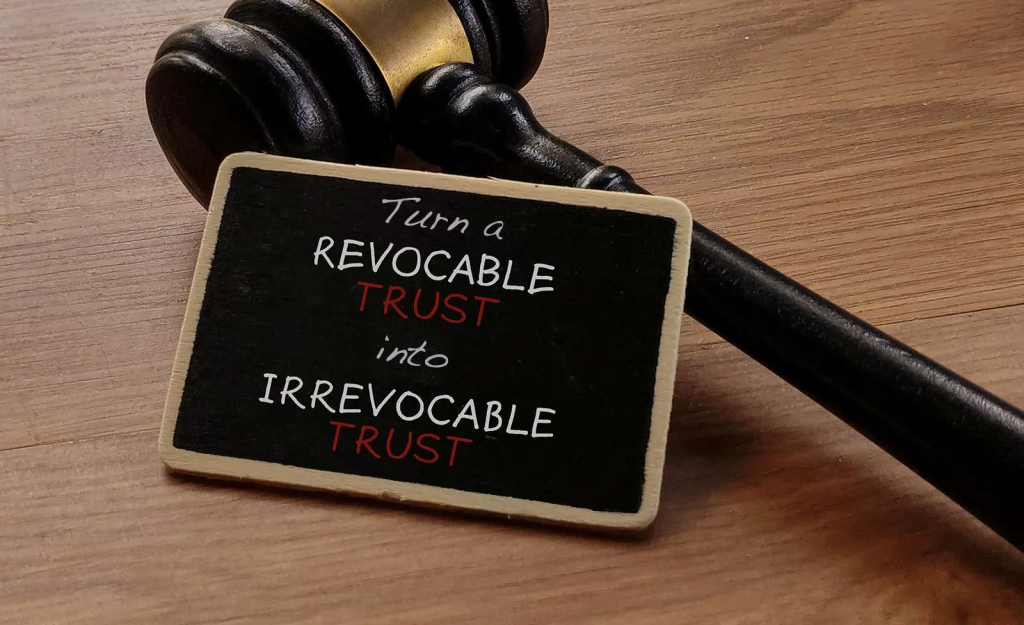
turning a revocable trust into an irrevocable trust written on a chalkboard in front of a gavel

How to Lock Your Assets Away with an Irrevocable Trust

A living trust, also known as a revocable trust, is a great way for someone to protect their family members from the long and sometimes arduous process of probate. What some may not know is how to turn that revocable trust into an irrevocable trust. What’s the difference between a revocable and an irrevocable trust? When a revocable trust is first created, it can be changed, amended, or revoked (i.e. canceled) by the grantor (or creator) of the trust as circumstances and preferences change throughout their life. However, this leaves all assets that have been placed in the trust open to estate taxes, creditors, and possible litigations. An irrevocable trust on the other hand, cannot be changed or revoked, as all assets are shifted from the grantor to the trust, essentially locking them in a vault that only the trustee and beneficiaries have access to upon the grantor’s death. This protects the assets from creditors, litigations, and taxes, guaranteeing their unconditional passage to the beneficiaries. Any changes to the trust must be signed off by the beneficiary(ies) or the court. What would trigger a revocable trust to become irrevocable? An irrevocable trust can be setup on its own, but if a living trust is created, there are two ways it can become irrevocable: Upon death – The living trust automatically becomes irrevocable upon the death of the grantor. Incapacitation – If at any point during their life the grantor becomes incapacitated, and can no longer make sound, legal decisions due to illness or accident, a living trust can become irrevocable until the grantor is no longer incapacitated. This helps protect the grantor’s assets from potential creditors or bad actors, such as a family member, friend, or trusted professional using undue influence to change, amend, or cancel the revocable trust. What does having an irrevocable trust mean for you as a beneficiary? Once an irrevocable trust is created (or a living trust becomes irrevocable), it secures your rights to the assets. You can also enforce the provisions of the trust and hold any trustees accountable. However, because the trust can no longer be changed if anything should happen to a beneficiary, such as disagreements over asset distribution or a beneficiary passes away before the grantor, modifications can be extremely hard and contentious. Read our article, “ 5 Beneficiary Rights to Know,” to learn more. Asset management through a trust can be tricky, but when done in the right way, it can help protect your inheritance and give you peace of mind. Check out our guide for What Every Beneficiary Should Know About Trusts, Estates, and Probate, and then speak to a qualified estate planning attorney to make sure your rights are protected.

overlooked probate nuances executors should look out for include new laws, blended families, and digital assets.

3 Frequently Overlooked Probate Nuances Executors Should Prepare For

Obtaining the death certificate, filing the petition for probate, notifying beneficiaries and creditors, appraising and distributing assets, and paying off debts is already a lot for an executor of a will to handle. But with a rise in the use of computers to handle most everything in our lives and the increase in second or third marriages, it becomes clear there is a lot more overlooked probate nuances in executing the wishes of the deceased than first appears on the surface. 1. Digital Assets Gathering assets and paying debts used to be relatively straightforward, as most everything was tangible. But as digital assets and the use of websites and cloud services become more prominent, attaining the information for bank accounts, payment vendors, email, social media, music/movie libraries, loyalty rewards, and cryptocurrency can become frustrating, especially when certain elements, such as login keychains, aren’t in place before a person’s death. The executor must also be aware of the wide variety of service agreement terms and privacy laws across platforms, which may make the collection and transfer of digital assets that much more difficult to manage. The Revised Uniform Fiduciary Access to Digital Assets Act (RUFADAA) helps to alleviate some of this discrepancy, but it must be clear in the will as to whom may access and manage a decedent’s digital accounts. 2. Blended Families Other unique challenges arise when dealing with blended families during probate. With more complex family dynamics come more conflicts, especially if a will isn’t updated upon a second marriage or a family member was accidentally removed. The most complicated aspect to be aware of comes in the form of comingled assets. These arise when an asset from the first marriage is sold and used to purchase a new asset in the second marriage without the will being updated to reflect this. For example: John remarries and decides to sell his cabin (which was part of his original will) to buy a new home. Upon his death, the original heirs still expect to inherit the cabin, which is now part of a new asset and his new wife’s inheritance. Other possible points of contestation may include IRAs, retirement plans, life insurance, and the choice of an executor. Best advice: be fair when administering assets, keep a dialogue open with everyone involved, and understand the rights each child/stepchild and spouse may have. 3. Probate Law Changes Probate Law is constantly changing in hopes of helping streamline the process. In 2025, California enacted provisions from AB 2016 that removed the value of a decedent’s primary residence from their overall total asset threshold for automatic probate. So long as the primary residence is valued at less than $750,000, and the remaining assets do not exceed $184,500, you may apply for summary procedures (or Small Estate Affidavits) instead of petitioning for probate. Check out our Executor Duties Checklist to make sure you’re performing all duties correctly, then contact a seasoned probate attorney for more information and assistance in the probate process.

Filling out form DE-111 for probate petition

Key Aspects of Filling Out Form DE-111 Petition for Probate

As part of our primer for probate in California, the first step for initialing probate is to file your probate petition. Filling out Form DE-111 is the first step to take in California to appoint a personal representative or executor. Let’s breakdown the initial information requests at the top of the form. The Executor and the Estate The contact information (if not completed by an attorney) will be that of the representative or executor. If not represented by an attorney, write “pro se” or “self-represented” where it says, “Attorney for.” Then, add all pertinent information, including the county, for the superior court for which the form will eventually be filed. The county listed should be where the decedent lived at the time of death, or in the case of someone who lived outside of California, where they owned property. If you are not sure which court to file, check the superior court’s website for a list of probate courts. Just below this information will be where you list the decedent’s full legal name, along with any possible aliases or name variants. What type of probate you’re petitioning for There are up to four options to choose from when deciding what type of probate you will be petitioning for. If there’s a will in place, you will select either a “Probate of Will and for Letters Testamentary” (for wills in which you are named as an executor) or “Probate of Will and for Letters of Administration with Will Annexed” (if you are not named as executor of the will). If you know there is a will, but it has been lost, mark the appropriate box. If there is no will, leave these unchecked. Whether or not there is a will, there are other options to consider: Letters of Special Administrator: If you need the court to appoint a representative because of exigent circumstances (in other words, in 24-48 hours instead of the general 4 to 6 weeks it would normally take to appoint an executor), you will select this option. Possible reasons you may need to speed up the process would be because of an impending foreclosure or to protect specific assets. Authorization to Administer Under the Independent Administration of Estates Act: If for some reason, you, as the executor, need to take specific actions without court approval, you will select this option. Be careful, though, as the will may prohibit this action. With Limited Authority: If you are not planning to sell or deal with real property, mark this box. The rest of this form is relatively self-explanatory, requesting details regarding all aspects of the decedent and the will itself. Answer fully and honestly to all questions. If you need assistance, or aren’t sure about how to answer a question, contact King Law Firm Attorneys at Law, Inc. for a consultation. You may also learn more about the entire probate process by downloading our probate timeline checklist.

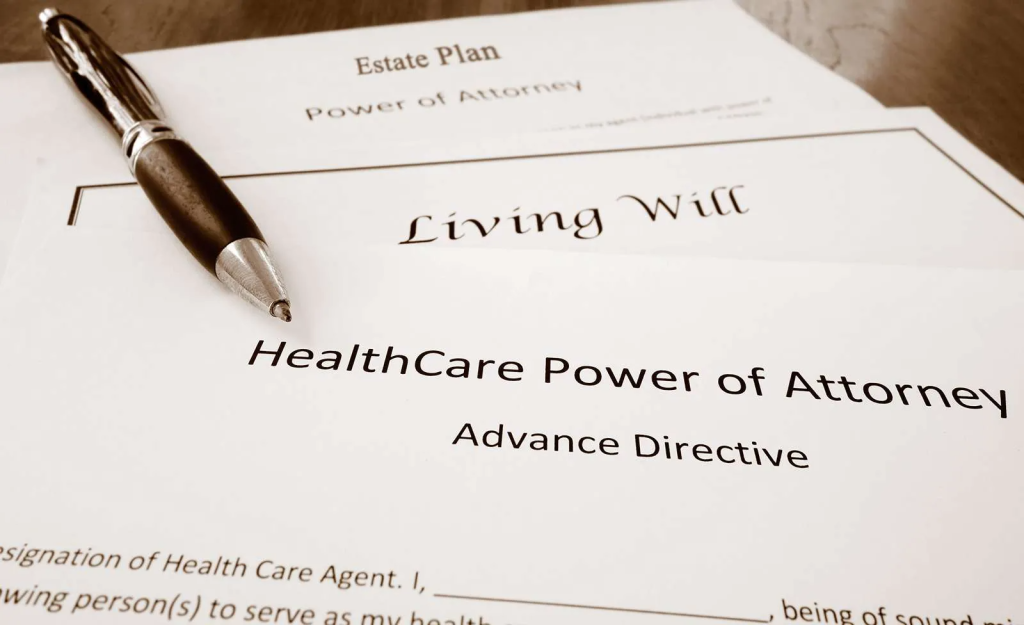
alternatives to conservatorships include a durable power of attorney, living trust, and advanced healthcare directives

4 Alternatives to Conservatorship for Aging Adults

When someone you love begins to show signs of dementia or other cognitive declines, you may be faced with several emotional and practical challenges. For instance, your loved one’s behavior may change, or they may begin to lose their memory or the ability to perform daily tasks, leading to financial losses or further decline in health. When this occurs, a lot of people petition for conservatorship over their aging adult. This allows them full control over major life decisions that may include financial and healthcare directives. However, for some adults, this may lead to feelings of resentment and anger as they no longer have control over their life. Recent legal challenges in California have helped mitigate the stranglehold some may have on a conservatorship, like the conservatiee’s right to contest a conservatorship or petition the court to end a conservatorship, but it can still be very difficult to end a conservatorship once it’s in place. Luckily, there are alternatives to conservatorship you can pursue to not only provide a healthy support system for someone who may become incapacitated, but to help guide and assist them when they are unable to do so on their own, all while avoiding a long legal battle or straining a loving relationship. 1. A Durable Power of Attorney A durable power of attorney is a great way to assist with finances and healthcare decisions without taking all rights away from their loved one. It ensures that how a person’s finances are handled, or what medical treatments they want or don’t want, are always honored. 2. An Advanced Healthcare Directive Similar to a durable power of attorney, the advanced healthcare directive provides information for what procedures and treatments you want and don’t want in specific situations without court intervention. Fill out this form to setup your Advanced Healthcare Directive. 3. A Living Trust Most may believe that a living trust is simply for listing what will happen to assets upon a person’s death without probate, however, a living trust may also allow for provisions should a person become incapacitated. 4. Supported Decision-Making Agreements Supported decision-making agreements allows the incapacitated party to retain authority over their financial and healthcare decisions with the support and necessary assistance of a trusted individual. Remember, whereas a conservatorship can only be sought after someone becomes incapacitated, these alternatives to conservatorship must be drafted and signed while each party is of sound mind and body, allowing the party who becomes incapacitated the opportunity to choose someone they absolutely trust to follow their assigned directives. It also gives the chosen proxy or agent the opportunity to provide valuable feedback on the other person’s financial and healthcare wishes prior to the individual becoming incapacitated. Reach out to an attorney to learn more about which alternatives to conservatorship may be in the best interest of you and your loved one, then download our Guide to Navigating Conservatorships for Aging Adults should you like more information, practical tools, and compassionate insight into the conservatorship process.

money, gold, and a bag surrounding some wooden people representing beneficiary rights

5 Important Beneficiary Rights to Know

Screenshot A lot of things can happen when an executor or administrator of an estate begins the process of asset distribution—asset mismanagement, distribution delays, and lack of communication among them. As a beneficiary of a trust or an estate, you are entitled to certain rights. Knowing these beneficiary rights will help set appropriate boundaries and expectations, ensuring proper administration of the estate. Beneficiary Rights to Notification When a will is in place, you have a right to be notified when the will has been entered into probate, as well as the right to know who has been appointed to manage the estate. Beneficiary Rights to Information As a beneficiary, you have the right to always know what is happening with the estate. This means you have a right to receive copies of the will or trust, ask about your inheritance (and whether assets must be sold to pay off debts), and request periodic statements of account (including detailed reports on assets, liabilities, income, expenses, and requests for compensation). Beneficiary Rights to Timely Distribution & Fair Treatment Executors or administrators have a fiduciary duty to act in the best interest of the beneficiaries. Unless a will or trust says otherwise (and taking the complexity of the estate into consideration), completing probate or distribution of assets should not take years upon years, nor should it exhibit preferential treatment. As a beneficiary, you have the right to expect fair and unbiased asset distribution within a reasonable amount of time. In most states, this means up to twelve months. Beneficiary Rights to Contest a Will After a will has been entered into probate, you have the right to contest the will if you feel it was drafted through undue influence or fraud, especially if it was improperly witnessed or the designated signee lacked the mental capacity to know what they were signing. In most states, you have up to 120 days to contest the will once you are informed of probate. Beneficiary Rights to Hold Trustees Accountable and Remove an Executor At any point in time, if you feel an executor or administrator is mishandling the estate, you have a right to petition the court for a remedy, which may include suing the executor or administrator and asking for removal. Be careful, though, because the court will only remove an executor or administrator if you have a valid reason to believe they are managing the estate in bad faith. This may include stealing, selling property below market value, failing to keep records, or other acts of misconduct. Other valid reasons may include a lack of mental or physical capacity or conviction of a crime. What the court won’t do is remove an executer simply because you didn’t like a decision they made. For more information on your rights as a beneficiary and for real-life case studies, download Your Guide to Beneficiary Rights.

Contact Us

Fill out this form below and we'll contact you shortly
*Required Fields