Blog / Estate Planning - Wills, Trusts, and Probate

Blog

All Estate Planning - Wills, Trusts, and Probate Family Law California Law Divorce Business Legal Documents Pop Culture Custody Probate Code Child Custody COVID-19 Conservatorship King Law Firm News Lawyer Guardianship Executor Legal Codes Litigation Arizona Law Holidays Marriage Beneficiary Featured Immigration Wills Fiduciary Kentucky Law LGBT Nursing Home Neglect Realty Texas Law Trusts Undue Influence Adoption Annulment Awards Books Domestic Violence Expungement Fifth Amendment First Amendment Inflation Landlords Mergers & Acquisitions Mitigation Podcast Prenuptial Agreements Reverse Isolation Self-Incrimination Social Media Summary Dissolution Videos
creative wills brewsters millions conditional bequest

The Top 3 Most Creative Wills in Movies

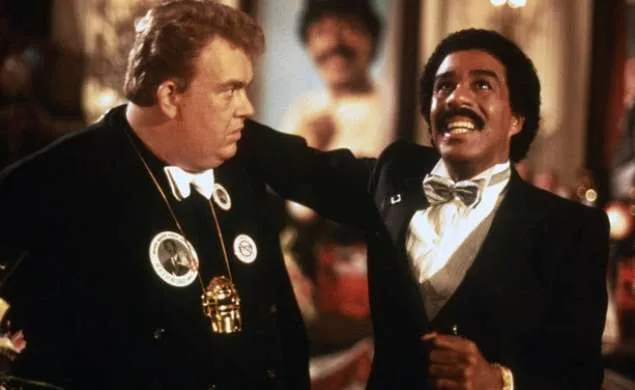
Richard Pryor and John Candy in Brewster's Millions A lot of movies in the marketplace are titled Inheritance (or some variation of that). These films tend to take a dramatic, morose look at inheritances and can be relatable or therapeutic if you’ve recently lost a loved one. But they also focus more on character relationships than with the inheritance itself. On the other end of the spectrum, high concept comedies tend to flip the script by focusing on the specific aspects of a person’s will to drive the narrative. There are plenty of standard templates when drafting a will, but one aspect that many films use to drive the comedy is what’s known as a “conditional bequest,” wherein the heir must first accomplish a specific goal prior to receiving their inheritance. Obvious conditional bequests include making sure someone has reached a certain age, is in college or married, but anyone can essentially get as creative as they want, so long as the conditions are free of ambiguity. The following are three films that exhibit the best examples of a conditional bequest. Easy Money In an attempt to force someone into a healthy lifestyle (and make sure the money isn’t wasted on addictions), Rodney Dangerfield must stop gambling and go vice free for a year prior to receiving his $10 million inheritance. The conditions are extremely broad in this context, so to make sure this type of general idea is valid and enforceable, the conditions regarding what constitutes gambling and vices must be specifically detailed. The Bachelor The will in this film, which forces Chris O’Donnell to marry prior to his 30 th birthday in order to inherit $100 million, is similar to Easy Money in that specifics are very important. Does he have to fall in love? How long must the couple remain married? Can he get an annulment right after receiving the inheritance? All of this (and more) must be stipulated to make sure the conditional bequest is enforceable. Brewster’s Millions (1985) The best overall film of the bunch, Brewster’s Millions follows Richard Pryor as he spends $30 million dollars in 30 days to inherit $300 million. The conceit behind it being that he will be so sick of money by the end of this term that he won’t want to spend another dime. Unlike the previous examples, the rules here are stipulated in great detail, from how much he can use to gamble and how much can go to charity to making sure that he has receipts for everything and is left with nothing tangible to show for it. The only issue is the use of video to deliver these stipulations, which by itself, isn’t enforceable. But as long as all of what’s stated in the video is also included in writing, this is a creative way to make sure the heir of a massive fortune knows the true value of a dollar.

ancillary probate

Understanding and Tackling Ancillary Probate

No matter how much planning one does to prepare for the future, no one knows exactly when they’re going to die. In the matter of probate, this can cause various issues, especially when dealing with assets and property in multiple states. The probate process can be time-consuming and expensive when someone dies with all of their property centralized in their state of residency, so consider having to tackle multiple probates at once. Because real estate and other tangible items are governed by the probate laws of the state in which the property is situated (and not where the decedent holds residency), it is necessary to open an additional probate in the state where the property lives. This is known as ancillary probate. How does the ancillary probate process work? Probate will always begin in the state of the decedent’s residence. Once a personal representative has been appointed by the court, they will begin a second probate process in the state in which the decedent owns real estate or other tangible property within the secondary or ancillary state. Some states may require a second executor who lives in the ancillary state to handle the distribution of those assets, and if your estate attorney isn’t licensed to practice in the ancillary state, you may need to hire a second attorney who is licensed to practice in that state. Additional court costs and filing fees may also be required. Further, because the courts understand how difficult the probate process can become, some states will allow a foreign will, which allows the executor in the state of residency to go through a simplified filing process instead of opening a new probate from scratch. How do you determine a decedent’s state of residency? Factors to consider when determining someone’s permanent residency include where the person was registered to vote, where he or she received mail, what state they filed their taxes, where their driver’s license was issued, and where their primary doctors are located. How can you avoid ancillary probate? Unless the property is small or doesn’t have much value (at which point you may be able to utilize expedited procedures if the state allows), there isn’t much one can do to avoid ancillary probate after someone dies. However, if someone owns property in another state, make sure they include one of the following stipulations when drafting their will or trust: Put the property in a trust; Use a transfer-on-death deed; or Add a co-owner to the title – this can be a joint tenancy or community property with right of survivorship By doing so, you will be able to enjoy the benefits of owning property in another state while guaranteeing that no matter when you die, your heirs will not have to deal with the struggles of ancillary probate, let alone an initial probate.

probate bond court fiduciary estate executor will

Posting Bond in Probate Court

In a lot of movies, we often see grieving families gather together to observe the reading of the deceased’s will, after which, everyone receives their inheritance without a lot of fuss. The reality concerning the distribution of assets (also known as probate), though, is far more complex. An executor must be named to oversee the collection, assessment and appraisal of all assets, as well as the forgiveness of debts and other financial matters. What most people may not know is that this executor may also be required to post a probate bond prior to executing his or her duties. Why? What is a Probate Bond? Also known as a fiduciary, executor or estate bond, a probate bond guarantees that the appointed executor complies with all mandated state laws and will ethically fulfill his or her duties. If the executor does not faithfully execute the will, claims can be made against the bond, allowing the defrauded to be compensated for their full inheritance. Do I need to post a bond? Not always. Bonds apply when a will is drafted and includes a requirement. However, the executor may seek to waive the bond by collecting signed written waivers from all of the beneficiaries and providing the court a written declaration that details the solvency of the estate as well as all of its creditor, tax and other contingent liabilities. Bonds also apply to intestate probate (in other words, probate wherein a will was not drafted). In most cases, the court will require a personal representative or administrator to post bond unless all beneficiaries waive the requirement. In either case, the court has complete discretion to require an executor or intestate probate representative to post bond in an amount up to the maximum estimated value of the estate. How do I post a bond? The executor will be required to fill out an extensive financial application from an insurance broker, surety agent, or bonding company. This application will then be provided to the court along with the will, detailed estate information, disputes among heirs, court bond orders, and the amount of the bond. Because bond issuers are acting as loan agents within the process, there are very high restrictions placed on these applications, and may be denied if the executor has very little assets or a poor credit history. In any case, it can be very difficult and costly to navigate the process of probate court, especially as an executor, so it’s always best to consult an attorney before diving head first into the murky waters of probate.

Gavel Money - King Law Firm Inc. The 411 on Spousal Support

The 411 on Spousal Support

Marriage is considered by most to be a blessed event that binds two lives together. But no matter how much we all want to believe in happily ever after, the hard, cold truth is that a healthy percentage of marriages in the U.S. fail within fifteen years. No matter the reason — including age, family background, income and intimacy — some marriages just don’t last. If you’re contemplating divorce, one thing that must be considered is whether to file for spousal support. There’s a misconception that spousal support, or alimony, is a given, when in reality, only ten to fifteen percent of divorces contain a claim for support. So, what is spousal support and what does it mean for you in the event of a divorce? Spousal support is money paid from one spouse to another within a reasonable amount of time in order for both parties to sustain the standard of living established during the marriage. In other words, spousal support keeps a spouse from suffering a standard of living decrease due to the inability to secure stable employment or a job that affords them the lifestyle they are accustomed. California is a no-fault divorce state, which means the circumstances behind the filing of divorce do not play a part in which party pays support. Factors that are considered include: Marketable skills and job market potential; How earning capacity is affected by long periods of unemployment; Whether training must be sought; Which partner can sustain the highest standard of living; Age, health, debts, property and tax impact; and The duration of the marriage. That last factor is the most important, as it is one of the major factors in determining the length of spousal support. Though the judge has some discretion, California law dictates a difference between short- and long-term marriages. A short-term marriage is one that dissolves within ten years. In this case, spousal support generally lasts for half the length of the marriage, which means if you were married for six years, support would last for three. A long-term marriage is one that lasts over ten years. In this case, there is no absolute time limit, which means the judge may allow spousal support to continue into perpetuity, or until a petition for termination is presented to the court. This may include: A court order terminating the original order; The receiving spouse remarries, moves in with a partner (cohabitation), is promoted or receives a dramatic raise in pay; or The paying spouse loses a job, retires or receives a dramatic reduction in pay. No matter the situation, when spousal support is sought in a divorce, legal separation or annulment, it’s always best to retain an attorney to protect you so that you don’t wind up losing more than you should.

Fiduciary Duty - King Law Firm Inc. Benefits of Hiring a Professional Probate Fiduciary

Benefits of Hiring a Professional Probate Fiduciary

It may not seem like it, but there are a lot of things to consider when dealing with a loved one’s death beyond funeral arrangements. One must be prepared to notify heirs and/or beneficiaries, safeguard and distribute the decedent’s assets, pay off any outstanding obligations, and manage the liquidation of investment portfolios, retirement funds and bank accounts. Anyone can choose to tackle these tasks, but this can place an unwanted burden on the party in question. That is why hiring a fiduciary —a professional, independent third party who holds an ethical and/or legal responsibility of trust — to act on your behalf is always recommended. Though a fiduciary (also known as a Professional Trustee or Professional Estate Administrator) can be appointed by the courts, it’s always best to consider whether you want to hire a professional fiduciary prior to someone’s passing, which can make the probate process much easier and smoother than waiting until the last minute. A professional fiduciary: Must be licensed and insured. Professional fiduciaries must obtain a license from the state they’re practicing in as well as maintain an insurance policy to prevent losses in the case of negligence. This is not true for a family member. Is held to fully regulated fiduciary standards. Professional fiduciaries must ensure the decedent’s finances and estate are secure, protected and confidential, and adhere to strict policies that prevent the misappropriation of funds. A family member does not have to follow these standards. Obligated to maintain trust and loyalty. People tend to hold grudges, so when an argument occurs between beneficiaries, or it’s determined that fiduciary responsibilities would be better handled by someone else, this may lead to jealousy or resentment. A professional fiduciary does not allow this type of personal circumstance to affect their fiduciary responsibilities. Have a working knowledge of state and federal laws. Not just anyone knows the ins-and-outs of speaking with attorneys, accountants and other professionals one may have to deal with during the probate process. Professionals fiduciaries understand how to cultivate these financial and legal processes. Must not profit from their position. Using the fiduciary position for the purposes of financial improvement, including taking a loan against the beneficiary’s finances, is something a professional fiduciary is forbidden to do. This isn’t the case for a family member who may only agree to these responsibilities from a place of greed. Help avoid fights over the management of the estate. Arguments over the estate may arise between beneficiaries and be difficult to resolve. Because a professional fiduciary is unattached from the estate, they are better able to limit any type of infighting that may arise. Saves you time. Most people who might take on this position already have plenty of obligations, including work and family, that take precedence over their duties as a fiduciary, whereas a professional is always focused on these duties.

The Most Important Steps To Take When a Loved One Dies

Coping with the death of a loved one can be a very painful time for anyone. In a perfect world, you’d be able to mourn your loss in peace. Unfortunately, we don’t live in a perfect world; when a loved one dies, there are a litany of personal and legal matters that must be attended to in a timely manner. The following are the most important steps you’ll need to take within weeks of a loved one’s death. 1. Report the death and request multiple certified copies of the death certificate You won’t be able to do much else until you acquire a death certificate. Several of the agencies you’ll be contacting will request a copy to have on record. You’ll also want to acquire a letter of testament, which tells government and financial agencies that you have been named to handle the deceased’s affairs. 2. Arrange funeral (or cremation services) and write an obituary Before speaking to a funeral director, find out if your loved one has pre-paid burial arrangements, especially if they’re a veteran. From there, you’ll arrange what type of service will be conducted, how the body will be prepared, and personally contact friends and family. It’s a good idea to appoint certain people to inform larger groups so as to keep your emotional turmoil to a minimum. Writing an obituary or death notice will also allow you to spread the word on a larger scale, but be aware that releasing too much personal information in an obituary or on social media platforms may lead to malicious attempts to steal the deceased’s identity. 3. Begin the probate process Probate begins by checking whether your loved one has a will or trust in place. After taking the will to the county or city office, a court date will be set to name an executor to take care of all the deceased’s affairs. If no will is in place, this process can be a lot more complicated. It’s also a good idea to open a separate bank account to handle the deceased’s assets until the process comes to a close. 4. Contact authorities of the deceased assets There are a lot of agencies you’ll need to contact to close out personal accounts, cancel memberships and end monthly billing. These may include: accountants, banks, life insurance agencies, pension agencies, utility companies, mortgage agencies, credit card companies, loan providers, creditors, unions, veteran’s affairs, the social security office and the post office. You will also want to find out what legal filings the state requires. Above all else, being overwhelmed can easily lead to mistakes and cause liability issues to arise, so it’s always a good idea to contact a lawyer who specializes in wills, trusts and probate, even if it’s simply for a consultation. They’ll be able to save you time, money and help guide and support you in this arduous process.

What We Don’t Hear About After A Celebrity Death

It was only one month ago we lost two iconic celebrities who also happened to be family. Character actor, writer and loving philanthropist Carrie Fisher (best known for her role as Princess Leia in Star Wars) passed away on December 27, 2016 after suffering a major heart attack. The next day, her mother, actress Debbie Reynolds, followed her to the next life after suffering a severe stroke. Both Fisher and Reynolds had long, prolific careers and will be missed by both the industry and the public. And while their deaths are still fresh in the minds of the public, the last thing on anyone’s mind is the California Probate Code, which may already have requirements that must be addressed. Celebrities like Fisher and Reynolds are often viewed as having the perfect life, only friends and family are aware of what’s happening behind the veil. What ardent fans don’t often see when it comes to the death of a beloved celebrity is the grief felt by those they left behind and the trouble that can follow in their personal lives if the deceased doesn’t have their house in order when they pass. It doesn’t matter if you’re a celebrity or a box store clerk; when someone dies, they don’t just leave behind a legacy. Every family must arrange a funeral and organize or manage the deceased’s estate. For the majority of us, that means going through a simplified probate process, which allows for a much easier allocating of the deceased’s assets. For anyone whose assets are greater than $150,000 or for those who own real estate, this can become a lot more arduous, especially if there’s no will or trust, a lot of insurance matters, community property issues or family conflicts. Attempting to handle this all yourself could turn into a long, stressful process in an already highly emotional situation. It’s always better to, at the very least, consult a lawyer when having to deal with probate so that you can be proactive. This will help limit the problems that may arise and simplify the process, which will allow family members and friends to grieve and remember their loved ones in peace.

Estate Planning - Wills, Trusts, and Probate

Did you know that Robin Williams’ widow challenged his estate plan? This may seem even more unbelievable after you find out that she was completely provided for! In today’s information seeking society, it’s no surprise that this made front page news: Robin Williams is arguably the funniest man in history and a millionaire to boot. What you may not know is that this doesn’t just happen to those who gain celebrity status. In fact, there are a multitude of reasons that your estate plan could end up in probate court. Whether you’re a billionaire or of more modest status, there’s a lot to consider when planning for a smooth transfer of your estate to your heirs. An estate plan should be tailored to each unique individual or family. In this era of yours, mine, and ours planning ahead can help save money and family relationships once you’re no longer here. The legal process that takes place after someone dies, called probate, can be costly and eat away at the inheritance you thought would go to your family. Estate planning can help to avoid costly probate and allow your assets to transfer to your heirs without getting held up in a lengthy court process. You can take steps now that will limit the likelihood of challenges upon your passing. Including provisions in your will and trust can discourage beneficiaries from arguing over who gets what. One common way of doing this is to include a no contest clause. This means that if one of your heirs stands to inherit $15,000, but tries to sue the estate, he could wind up with nothing. Discussing your estate plan with those provided for in your plan is a good idea. The first time your child learns about how your property is going to be divided should not be when they are mourning the death of their parent(s). Make your intent clear in your estate plan- why are you making the plan, what do you want to happen. If you are making certain decisions, have it be known why you are making these decisions. Remember, once you are gone no one will be able to ask you. Sometimes this can be done through conversation, sometimes in is better done in a letter kept in the estate plan that can be read. I think this is especially important when there are unequal divisions of property. For example: if one child is not getting a cash gift because you previously gave them the down payment for a house, explain that…. Planning for your family’s future can be intimidating, but it’s so important. If you have questions about your estate plan, need an update, or would like to create a plan, don’t wait to call your local attorney. Rachel King Attorney at Law King Law Firm 41690 Ivy Street, Suite B Murrieta, CA 92562 Office (951) 834-7715 Fax (951) 319- 7129

Contact Us

Fill out this form below and we'll contact you shortly
*Required Fields